
Japanese Comedy About Family: Spouses, Parents, and Grandparents
Japanese comedy routines about family life: a marriage on the rocks, a grandmother and her grandchild, a son visiting home, and a teacher's visit to a student's house. Here's what to know before you watch.
Why family makes such an easy stage for comedy
Every family runs on roles: the spouse who's supposed to take a hard conversation seriously, the grown kid who comes home wanting to be useful, the grandparent everyone assumes they already understand. The comedians below build on those roles because the audience walks in already knowing them. That lets a routine skip most of the setup and go straight to the moment someone steps slightly out of line.
You'll see three formats here. Manzai is a two-person routine where one performer says odder and odder things and the other reacts and corrects; sometimes the pair slide from chatting as themselves into acting out a scene. A sketch (konto) drops you straight into characters and a setting. A solo act (pin) is one comedian carrying the whole piece, and in one of the routines below, that comedian talks to a partner you never see.
“Schedule” — Aoi-chan (Sketch)
A husband has just bought himself a new planner, and he is in a very good mood about it. Then his wife, Misaki, confronts him about an affair and brings up divorce.
What to watch: the distance between how serious this conversation is and the mood the husband is in. Keep the new planner in mind too. Details from early in the sketch come back later, so it rewards paying attention from the start.
“I Want to Stop Grandma” — Ohayo Wayama (Solo)
A grandmother has gone under the knife for cosmetic surgery again and again, and each round has left her looking younger and more glamorous. Her grandchild comes to her hospital room determined to talk her into stopping.
What to watch: the way the usual family roles get turned around. Keep track of who's lecturing whom, and who in that hospital room is acting like the responsible adult.
“What Mom Wants to Do” — Sakipon (Solo)
Yuta, now in his fourth year in the workforce, comes home for a visit and tells his mother he wants to do something for her. It's a bit of oyakoko, the Japanese idea of giving back to the parents who raised you. So he asks her what she'd like to do.
What to watch: Sakipon plays only the mother, and Yuta is performed as an invisible partner. Notice how much of the conversation, including Yuta's side, you can piece together from her half alone. Her answer to his question is where the sketch gets going, so we'll stop there.
“Home Visit” — Ponpoko (Manzai)
The duo start out talking about the home visits they remember from their school days, then slip into acting one out. One plays the homeroom teacher and the other plays a mother welcoming the teacher into the house.
Good to know: katei homon, or home visits, are a custom in Japanese schools. At the start of a new school year, the homeroom teacher goes house to house to talk with parents about how each child is doing.
What to watch: this particular visit does not go the way a home visit is supposed to, and the gags come one after another. Keep an eye on the teacher's reactions as closely as on the household itself.
Where to go from here
Start with whichever setup sounds closest to your own family. If one of these clicks, the profiles for Aoi-chan, Ohayo Wayama, Sakipon, and Ponpoko are a good next stop, and a guide to Japanese school customs like katei homon fills in more of the background behind the last routine.
 The Teacher Comes Over
A teacher's visit to a student's home gets stranger with every exchange.
4:36
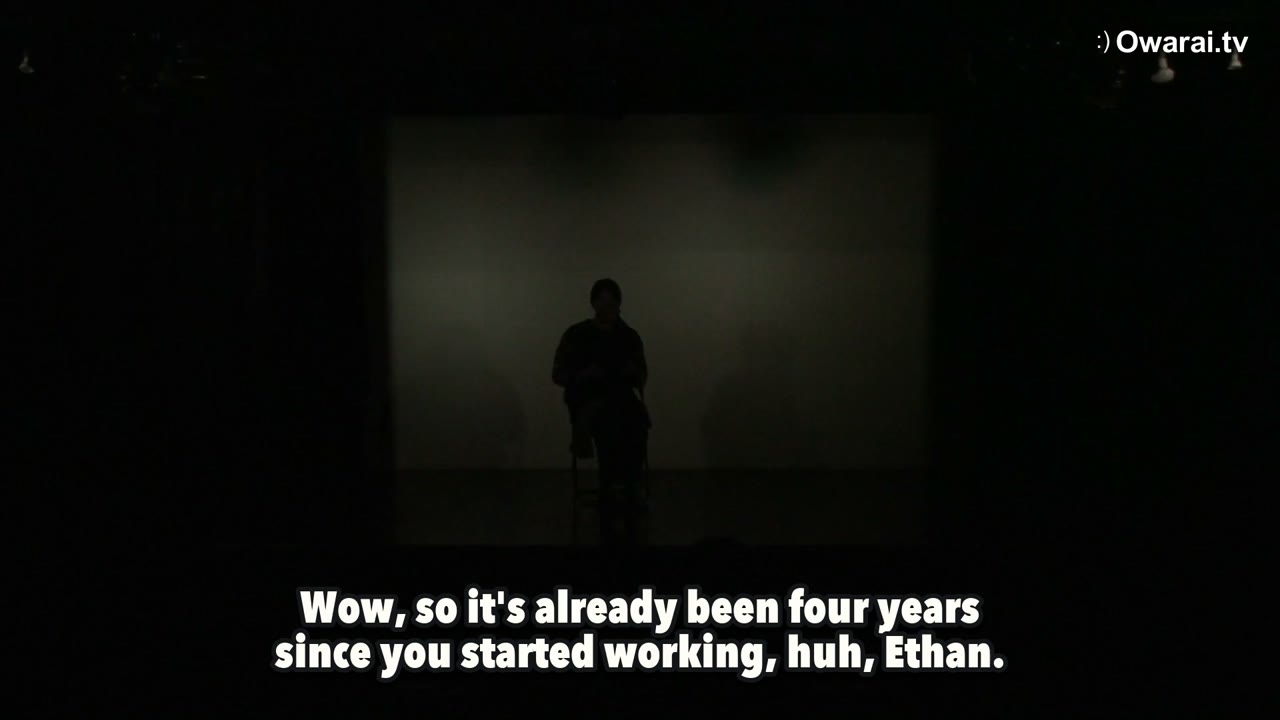 A Favor for Mom
A grown-up son offers to help Mom. Mom has a surprisingly personal request.
3:05
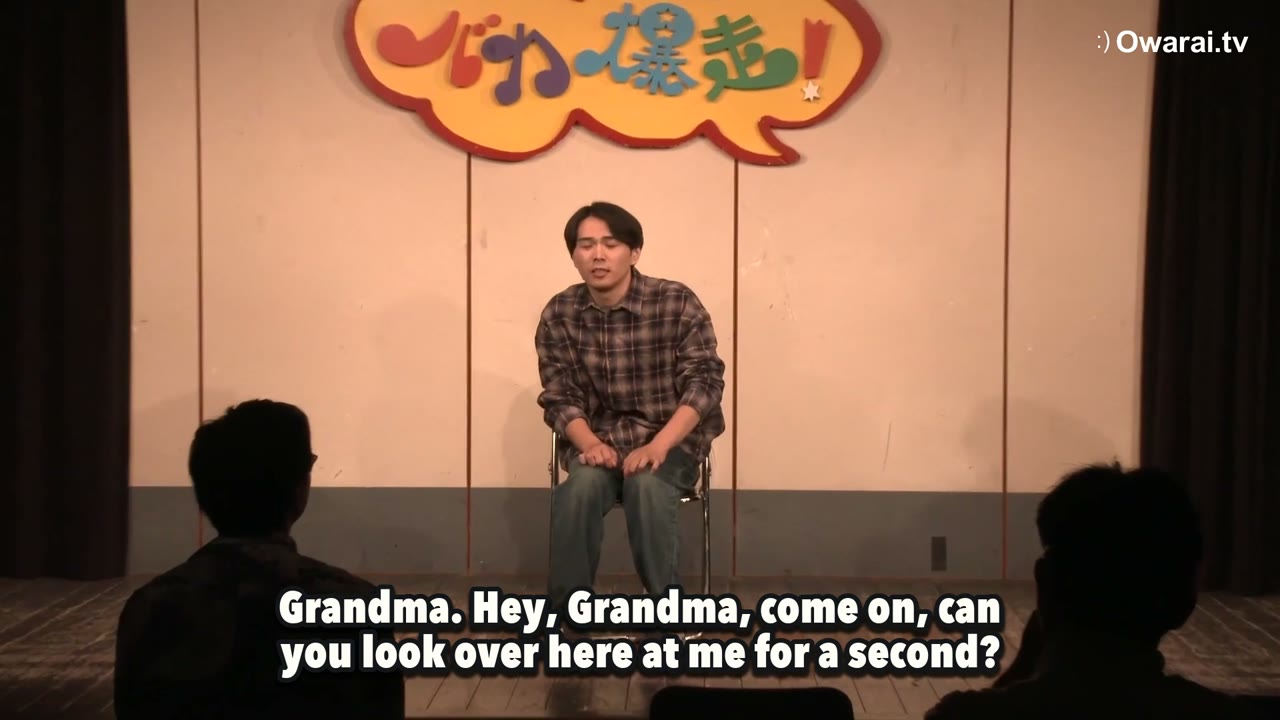 Grandma's Makeover
A grandson pleads with Grandma to stop treating surgery like a beauty routine.
2:33
We use AI as part of how we create our articles.
Subtitles on this video: AI translation from the Japanese.