Stories and guides
Read about Japanese comedy
Illustrated true stories told by Japanese comedians, plus short guides to what you'll see on stage.
Stories that land
Funny true stories told by Japanese comedians, edited for English readers.
Adachi’s Coworker Offers to Buy a DrinkAt nineteen, Adachi was cleaning a hotel when a coworker offered to buy him a drink. He remembers what became of their short break.
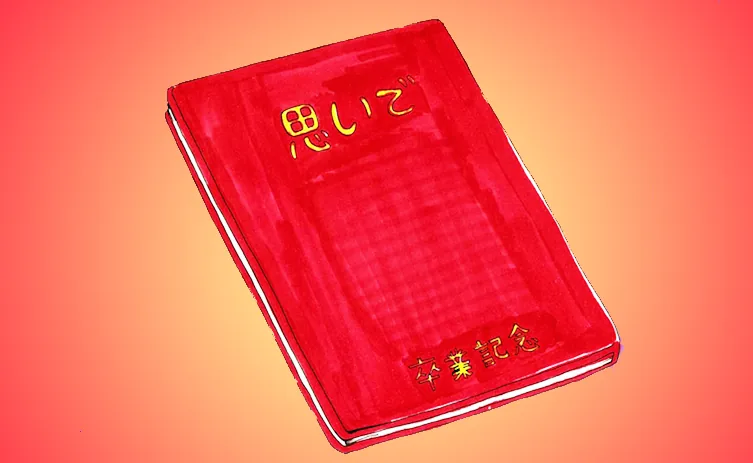 A graduation album and a wedding the next dayEarly in his comedy career, a member of Hi-Hi needed a cash gift for a friend’s wedding—and had no usual form of ID.
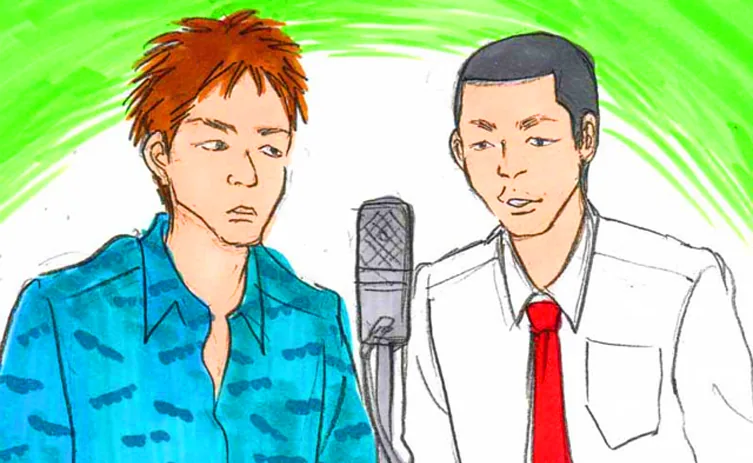 Ten-yen beer and a trip to the restroomA cheap beer offer brought a comedian and his friends together for an evening he remembers vividly.
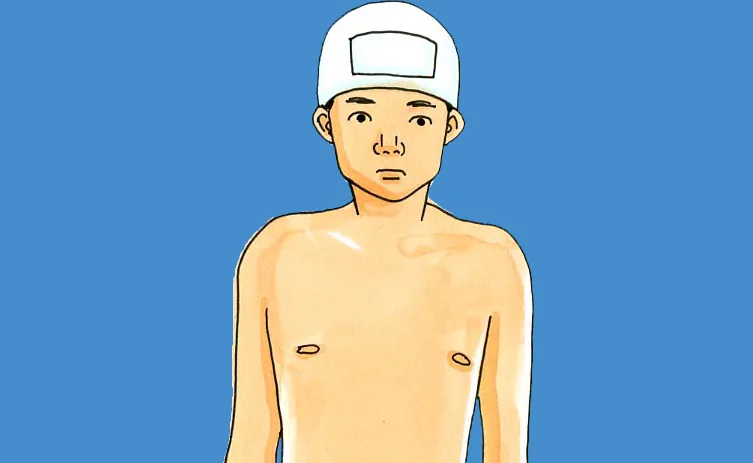 I thought I had the perfect swimsuit for the waterslideYamamoto went swimming with friends in the brief-cut swimsuit he favored from his school swimming days.
 Shun goes shirt shopping in HawaiiA trip for his brother’s wedding gave Shun time to look for an aloha shirt—and try out his English.
Kasuga and the Morning MirrorRain kept getting in the way of a trip to the shower. Kasuga of Audrey recalls an episode from his old apartment.
Shun goes shirt shopping in HawaiiA trip for his brother’s wedding gave Shun time to look for an aloha shirt—and try out his English.
Kasuga and the Morning MirrorRain kept getting in the way of a trip to the shower. Kasuga of Audrey recalls an episode from his old apartment.
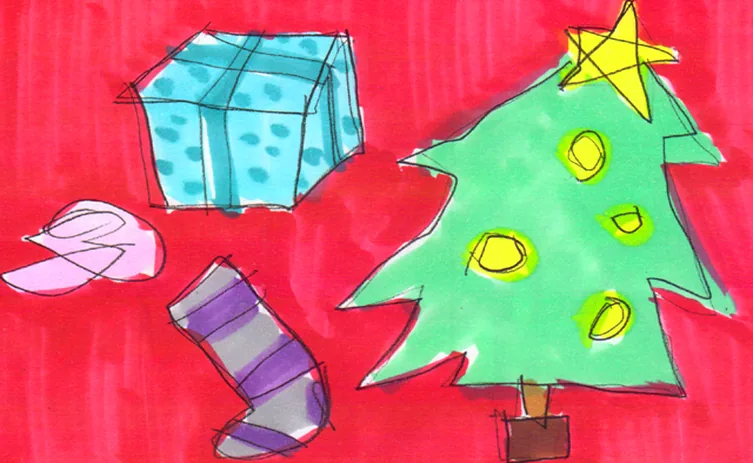 The grandfather who joined our Christmas wrestling matchJaguars comedian Chiiyan remembers a Christmas game with friends, one unexpectedly fierce grandfather and an even more unexpected way to ease a sore back.
 Taketarino Yamaguchi and His Girlfriend’s EyebrowsThere was a lot Taketarino Yamaguchi liked about the woman he was dating. But he kept putting off a conversation about her eyebrows.
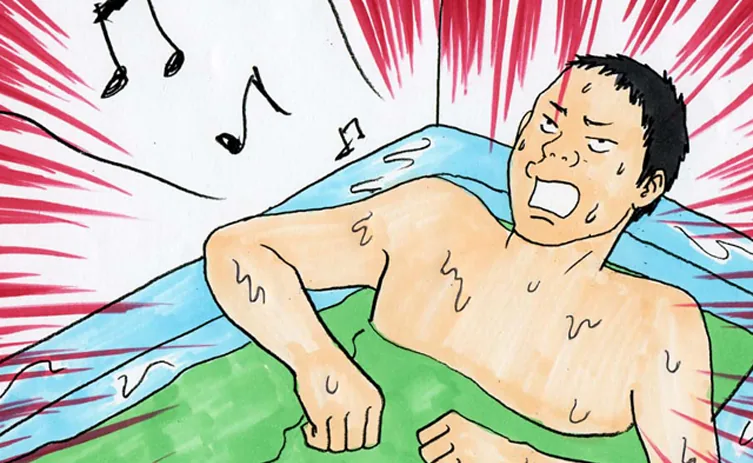 Kaiji hears about his brother’s bath-time singingWhen Kaiji called his mother, she had news about his older brother’s four-song routine in the bath.
Hamaron remembers his penny-pinching brotherHamaron recalls the lengths one of his older brothers would go to avoid spending money.
Kaiji hears about his brother’s bath-time singingWhen Kaiji called his mother, she had news about his older brother’s four-song routine in the bath.
Hamaron remembers his penny-pinching brotherHamaron recalls the lengths one of his older brothers would go to avoid spending money.
 Yamade meets the man he impersonatesA part-time job at Tokyo Dome brought Yamade face to face with former baseball player Kakefu.
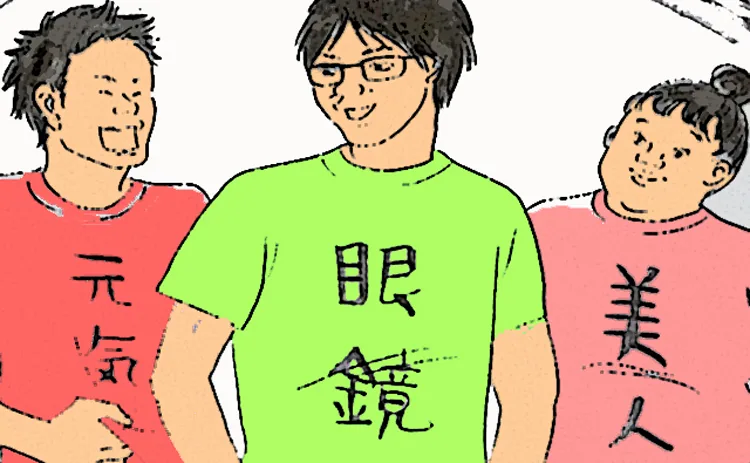 Sato’s Tree-Planting Trip to MalaysiaDuring his freshman year of college, Sato of Dokidoki Camp spent a month planting trees in Malaysia. The group’s work shirts became part of an informal Japanese lesson, too.
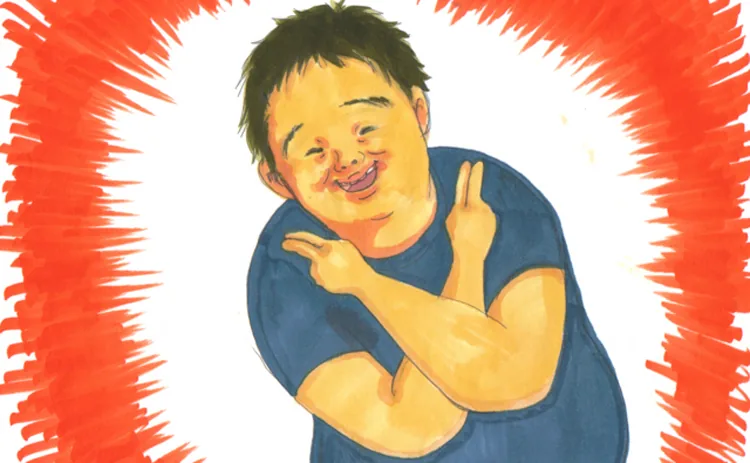 I knew how to make an impression at the high jumpSento Takemori remembers a school PE lesson and his plan to look cool in front of his classmates.
Palden Nishizawa joins a chaseBefore a shift at McDonald’s, Palden Nishizawa heard someone calling for help catching a pickpocket.
Runner’s High: a visit to the fortune-tellerHis mother had taken his name to a fortune-teller. Intrigued by what she reported back, he wanted a consultation of his own.
Hamaron’s encounter at Shibuya StationA man walking along the platform had an ear of corn on a leash. Hamaron had a question.
I knew how to make an impression at the high jumpSento Takemori remembers a school PE lesson and his plan to look cool in front of his classmates.
Palden Nishizawa joins a chaseBefore a shift at McDonald’s, Palden Nishizawa heard someone calling for help catching a pickpocket.
Runner’s High: a visit to the fortune-tellerHis mother had taken his name to a fortune-teller. Intrigued by what she reported back, he wanted a consultation of his own.
Hamaron’s encounter at Shibuya StationA man walking along the platform had an ear of corn on a leash. Hamaron had a question.
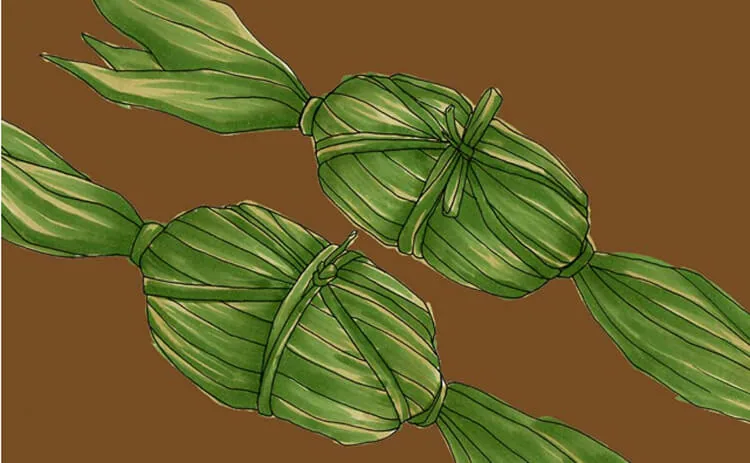 Hamatani and the dumplings on his doorknobHamatani came home to find food hanging on his door. He thought he knew which friend to thank.
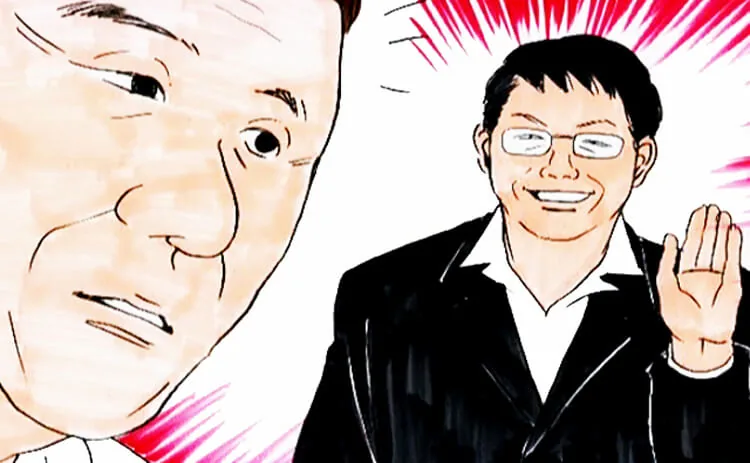 Wakabayashi remembers Bito Takeshi’s guest partnerAt the impersonation club where Wakabayashi used to warm up the crowd, a familiar face joined Bito Takeshi onstage.
Manabu Kishi and the course that sounded easyShort on college credits, Manabu Kishi asked a student in a higher year for advice about a course.
Wakabayashi remembers Bito Takeshi’s guest partnerAt the impersonation club where Wakabayashi used to warm up the crowd, a familiar face joined Bito Takeshi onstage.
Manabu Kishi and the course that sounded easyShort on college credits, Manabu Kishi asked a student in a higher year for advice about a course.
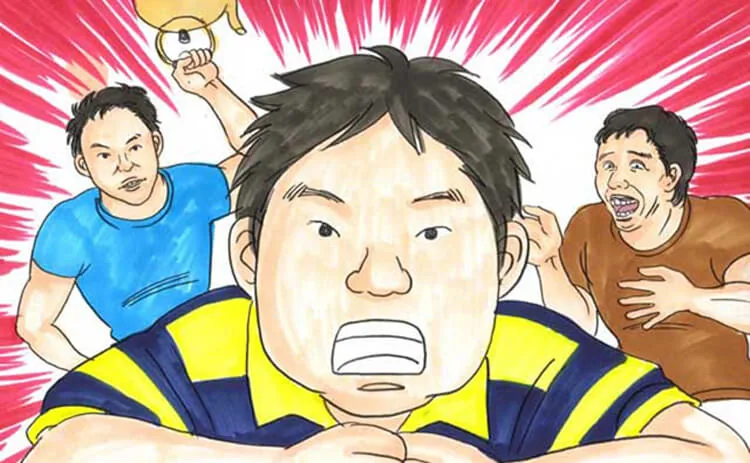 Who gets to go to the butcher?Two brothers kept competing to run errands. When their mother needed meat, the younger one declared himself the expert.
Giggle hands out tissuesWhile handing out promotional tissues for a pachinko parlor, Giggle met an older woman who wanted a few more.
The brooch that caught Nagomido’s eyeAt an izakaya, Nagomido spots comedian Matsuo Bannai and finds even the smallest detail of his outfit impressive.
Who gets to go to the butcher?Two brothers kept competing to run errands. When their mother needed meat, the younger one declared himself the expert.
Giggle hands out tissuesWhile handing out promotional tissues for a pachinko parlor, Giggle met an older woman who wanted a few more.
The brooch that caught Nagomido’s eyeAt an izakaya, Nagomido spots comedian Matsuo Bannai and finds even the smallest detail of his outfit impressive.
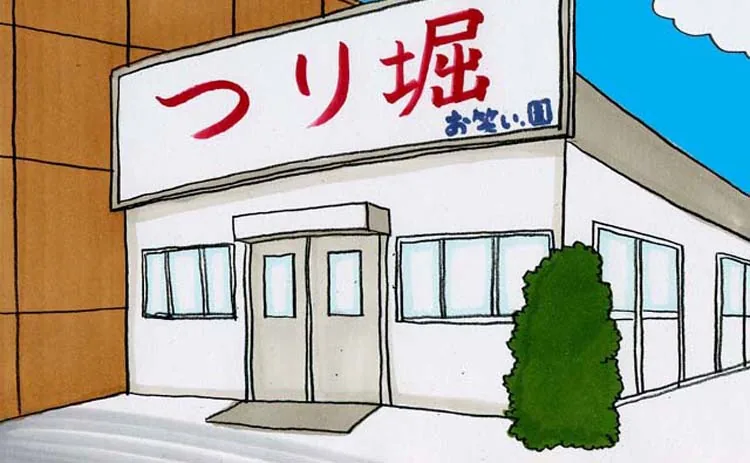 Takahashi and the regular across the pondTakahashi recalls a good day of goldfish fishing—and a regular who kept staring at him.
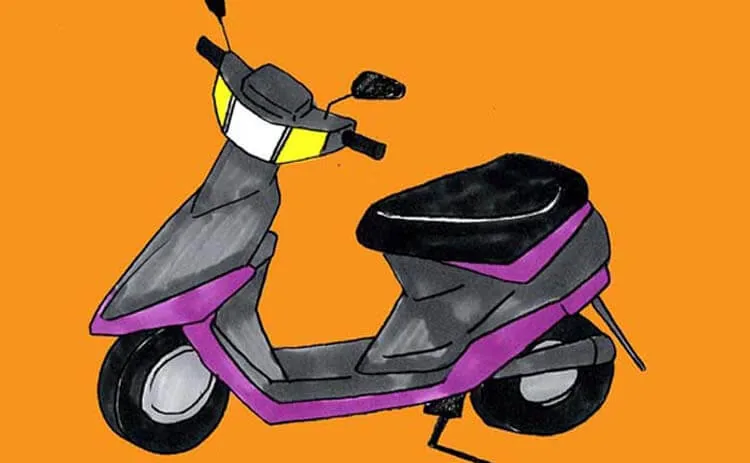 I thought everyone was recognizing me on my scooterKasuga recalls a hurried stop on the way home, followed by a ride that seemed to attract everyone’s attention.
A lecture for the “Professor”An agency booked a comedian to give a talk on phone scams. The word “Professor” in his stage name had helped secure the job.
I thought everyone was recognizing me on my scooterKasuga recalls a hurried stop on the way home, followed by a ride that seemed to attract everyone’s attention.
A lecture for the “Professor”An agency booked a comedian to give a talk on phone scams. The word “Professor” in his stage name had helped secure the job.
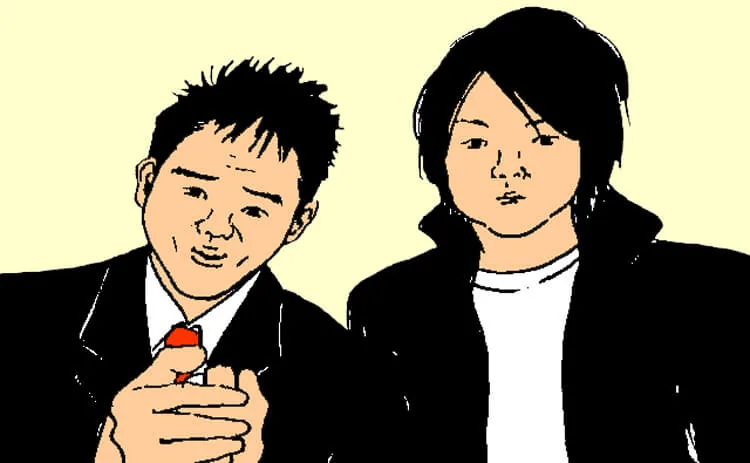 Yamamoto and the note from his momBack from swim practice, Yamamoto found a message from his busy mother. She had left him money for something to eat.
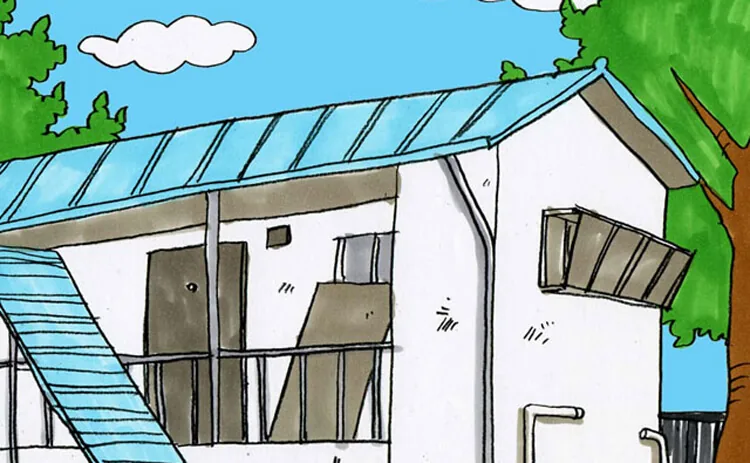 A late night in an old apartmentA comedian recalls the unwelcome visitors in an apartment where he once lived—and a trip to the drugstore.
The day we finally beat the school next doorHamaguchi recalls a middle-school soccer rivalry, a change to the starting lineup and a comment from the opposing coach.
A late night in an old apartmentA comedian recalls the unwelcome visitors in an apartment where he once lived—and a trip to the drugstore.
The day we finally beat the school next doorHamaguchi recalls a middle-school soccer rivalry, a change to the starting lineup and a comment from the opposing coach.
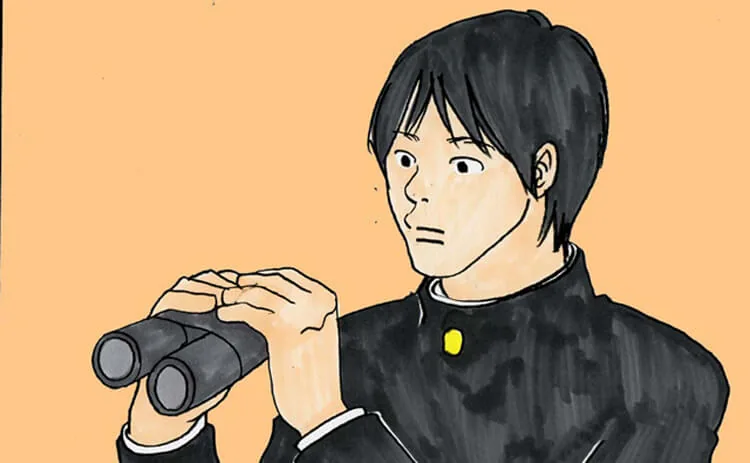 The man I started calling “big brother”On a walking trip funded by street comedy, Tashiro 32 met a stranger in Kyoto whose kindness made a lasting impression.
A strange visitor during summer breakTomoike recalls a two-week stay with an older relative when he was in elementary school.
The man I started calling “big brother”On a walking trip funded by street comedy, Tashiro 32 met a stranger in Kyoto whose kindness made a lasting impression.
A strange visitor during summer breakTomoike recalls a two-week stay with an older relative when he was in elementary school.
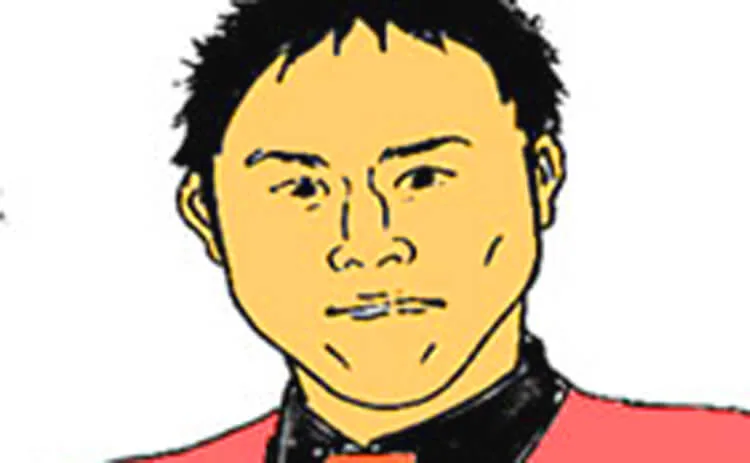 Kasuga found a surprise at his old apartment doorKasuga of Audrey remembers an unexpected gift at the apartment where he once lived—and what he noticed a couple of days later.
An awkward stop on a dark mountain roadTomoike recalls a summer drive, a bathroom emergency, and a story that found its way back to him the following spring.
Kasuga found a surprise at his old apartment doorKasuga of Audrey remembers an unexpected gift at the apartment where he once lived—and what he noticed a couple of days later.
An awkward stop on a dark mountain roadTomoike recalls a summer drive, a bathroom emergency, and a story that found its way back to him the following spring.
 Making Mochi with Hamatani’s Judo ClubKenji Hamatani recalls the campus festivals when his college judo club made mochi and former members came back to visit.
 Teaching the Little Kids at the PoolUronta Yoshida of Flamingo remembers his part-time job teaching preschoolers to swim, where a game with colorful rubber stones kept the kids busy.
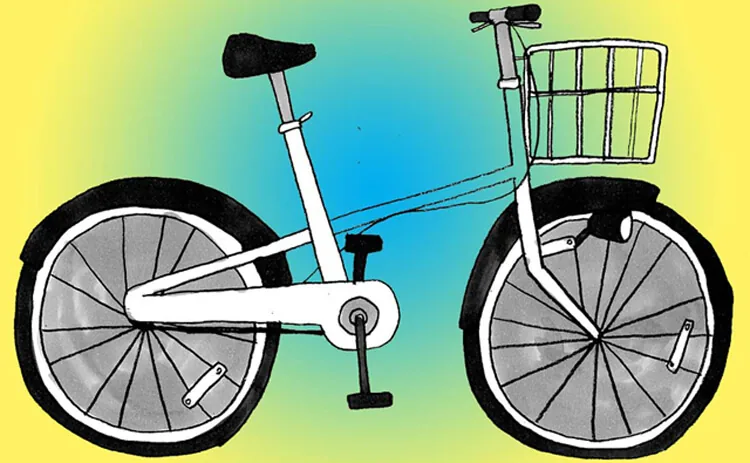 The only bicycle collected that dayKomiya-chan goes to collect a bicycle removed from outside a station. The attendant says there was only one to find.
The birthday voicemail from my momA comedian got two birthday emails, but neither was from his mother. That night, he noticed she had left a voicemail.
The only bicycle collected that dayKomiya-chan goes to collect a bicycle removed from outside a station. The attendant says there was only one to find.
The birthday voicemail from my momA comedian got two birthday emails, but neither was from his mother. That night, he noticed she had left a voicemail.
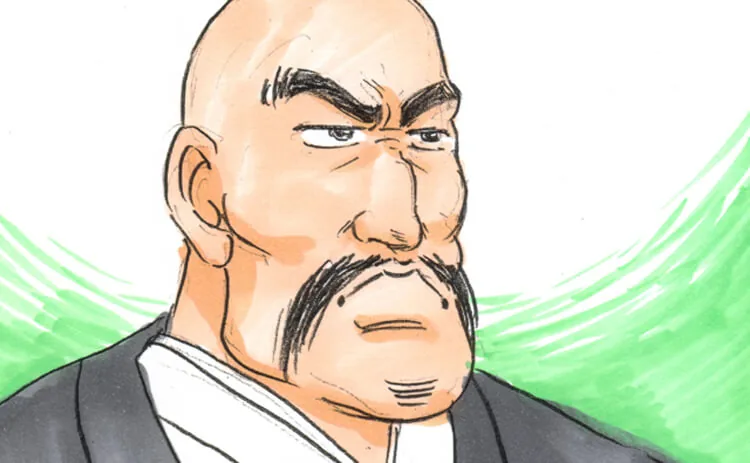 Nobu Gets Caught Smoking in His RoomNobu of Vintage remembers smoking in his bedroom in eighth grade when his dad walked in.
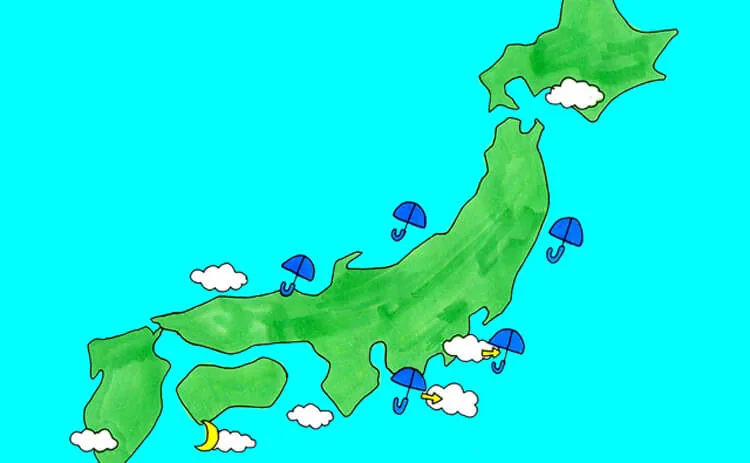 Asking Dad about the weatherFrom elementary school through high school, one comedian trusted his father’s forecasts. One Sunday, he asked how they worked.
A Japanese Comedian’s Middle School Shopping Trip in Small-Town OregonAs a middle schooler staying with a host family in rural Oregon, Chago went clothes shopping—and someone asked to take his picture for the local paper.
Asking Dad about the weatherFrom elementary school through high school, one comedian trusted his father’s forecasts. One Sunday, he asked how they worked.
A Japanese Comedian’s Middle School Shopping Trip in Small-Town OregonAs a middle schooler staying with a host family in rural Oregon, Chago went clothes shopping—and someone asked to take his picture for the local paper.
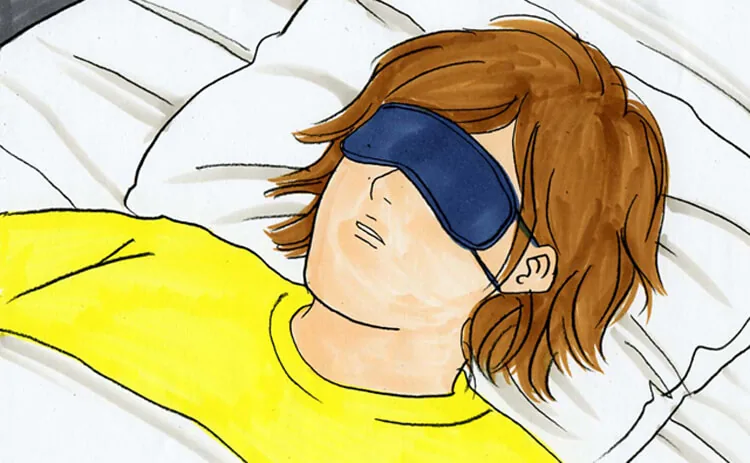 Palden's ghost story took a strange turn at bedtimePalden recalls a night when he couldn't move and sensed an unseen visitor approaching.
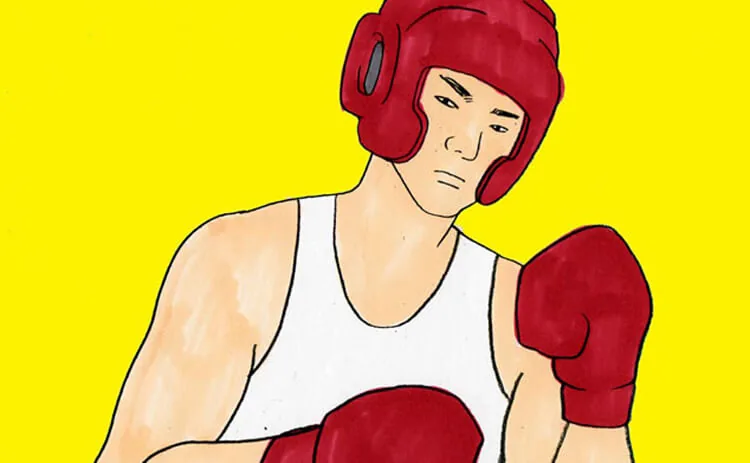 Daigo and the Pro Boxer at His GymDaigo was training once or twice a week at a small boxing gym. One day, a visiting Argentine pro wanted to get in the ring with him.
Komiya-chan Takes on Mount FujiKomiya-chan of Runner's High made the long climb to the top of Mount Fuji one summer. Once there, it was time for a photo and some lunch.
Daigo and the Pro Boxer at His GymDaigo was training once or twice a week at a small boxing gym. One day, a visiting Argentine pro wanted to get in the ring with him.
Komiya-chan Takes on Mount FujiKomiya-chan of Runner's High made the long climb to the top of Mount Fuji one summer. Once there, it was time for a photo and some lunch.
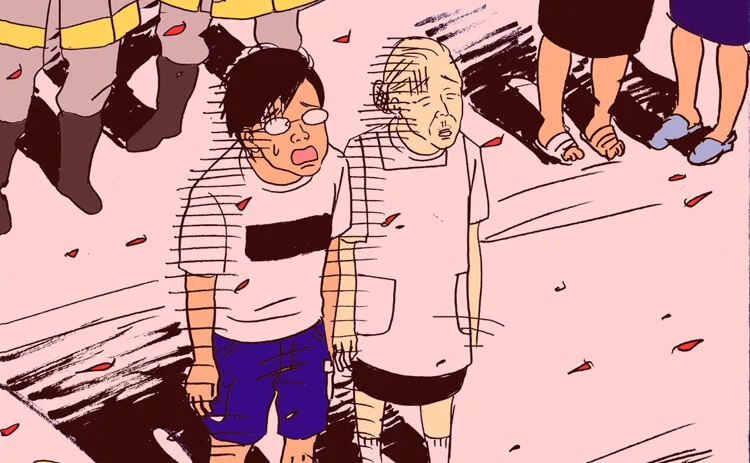 Nagomido and the Day the House Burned DownNagomido was in the first year of high school when a fire broke out at home. Grandma had been getting ready to make tempura for lunch.
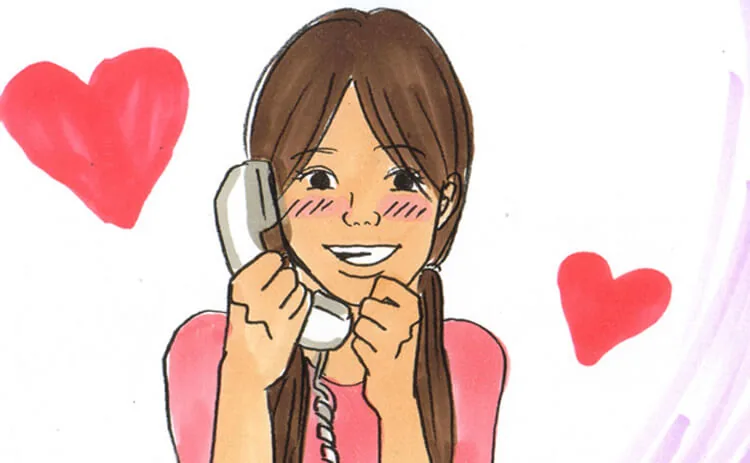 A Birthday Message for NobuNobu of Vintage was crazy about his high school girlfriend. Then a message from her arrived on his birthday.
 Eight People, Two Tables: A Meal with HayashiHayashi of Nagomido recalls going out to eat with a group of eight. Everyone settled in at two tables of four and started talking.
 Three days at the complaints deskA customer reported a theft during a comedian’s brief department-store job. A staff member was called over to investigate.
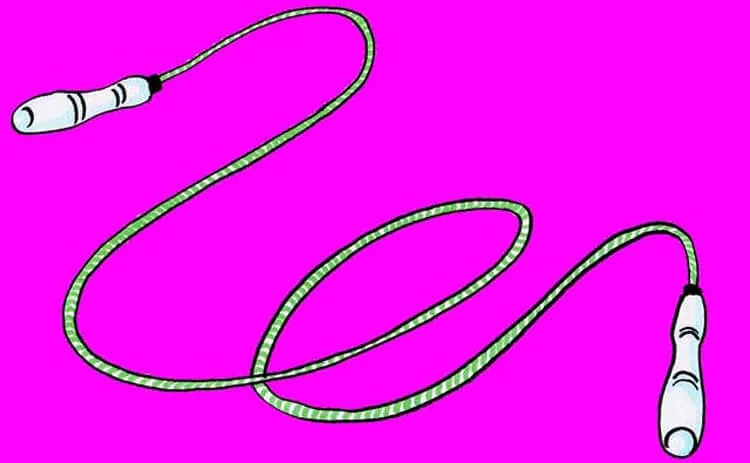 The Jump-Rope Test at Hamaron’s Elementary SchoolAt comedian Hamaron’s elementary school, kids worked their way through jump-rope ranks. One of his friends decided to go for “Master”—in second grade.
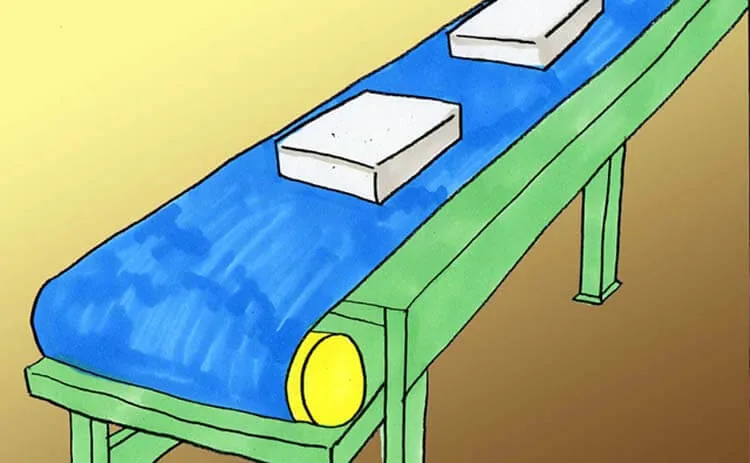 Tomoike-san’s shift by the conveyor beltA factory job paid Tomoike-san 8,000 yen a day. His task sounded simple: keep an eye on a machine.
 A Night Out With RockyUeda of Hi-Hi recalls going out for drinks with Rocky Hirao, a fellow comic he’d only recently met.
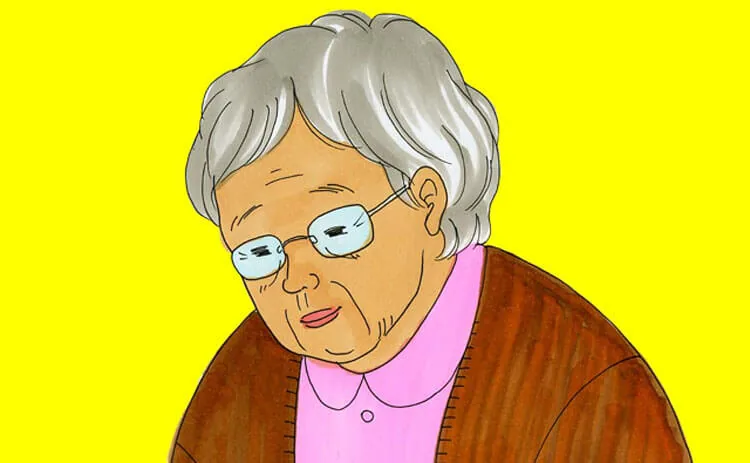 Grandma had something she wanted to give meSento Takemori recalls a New Year’s family gathering and a gift his grandmother had been keeping for him.
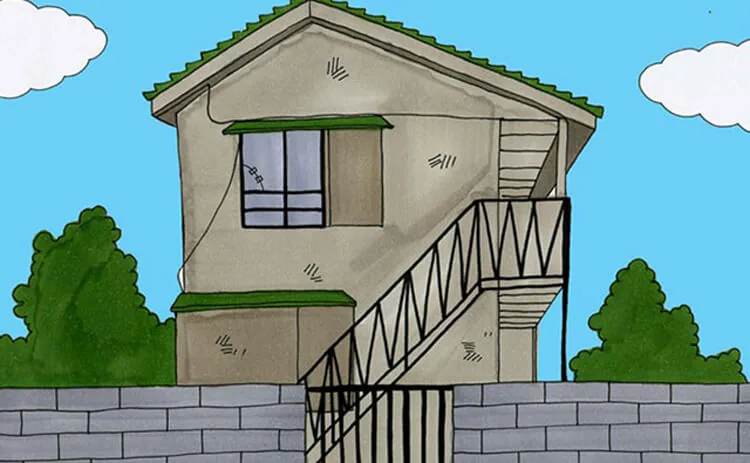 Sato tested what his landlord would do with an old T-shirtSato of Dokidoki Camp recalls a low-rent apartment, a helpful landlord, and a small experiment with a red T-shirt.
A Meal at Takemori’s Family HomeUronta Yoshida of the comedy trio Flamingo recalls a first visit to fellow member Takemori’s family home. Takemori’s dad had gone all out with homemade soba and tempura.
Sato tested what his landlord would do with an old T-shirtSato of Dokidoki Camp recalls a low-rent apartment, a helpful landlord, and a small experiment with a red T-shirt.
A Meal at Takemori’s Family HomeUronta Yoshida of the comedy trio Flamingo recalls a first visit to fellow member Takemori’s family home. Takemori’s dad had gone all out with homemade soba and tempura.
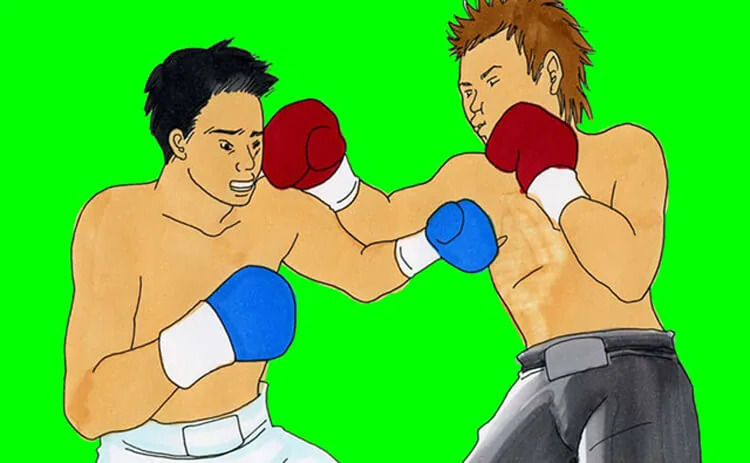 Yamaguchi asked a boxing world champion for a handshakeTaketarino Yamaguchi remembers meeting Hideyuki Ohashi, a former member of his high-school boxing club, while watching a bout at Korakuen Hall.
A graduation album and a wedding the next dayEarly in his comedy career, a member of Hi-Hi needed a cash gift for a friend’s wedding—and had no usual form of ID.
Ten-yen beer and a trip to the restroomA cheap beer offer brought a comedian and his friends together for an evening he remembers vividly.
I thought I had the perfect swimsuit for the waterslideYamamoto went swimming with friends in the brief-cut swimsuit he favored from his school swimming days.
Shun goes shirt shopping in HawaiiA trip for his brother’s wedding gave Shun time to look for an aloha shirt—and try out his English.
Kasuga and the Morning MirrorRain kept getting in the way of a trip to the shower. Kasuga of Audrey recalls an episode from his old apartment.
The grandfather who joined our Christmas wrestling matchJaguars comedian Chiiyan remembers a Christmas game with friends, one unexpectedly fierce grandfather and an even more unexpected way to ease a sore back.
Taketarino Yamaguchi and His Girlfriend’s EyebrowsThere was a lot Taketarino Yamaguchi liked about the woman he was dating. But he kept putting off a conversation about her eyebrows.
Kaiji hears about his brother’s bath-time singingWhen Kaiji called his mother, she had news about his older brother’s four-song routine in the bath.
Hamaron remembers his penny-pinching brotherHamaron recalls the lengths one of his older brothers would go to avoid spending money.
Yamade meets the man he impersonatesA part-time job at Tokyo Dome brought Yamade face to face with former baseball player Kakefu.
Sato’s Tree-Planting Trip to MalaysiaDuring his freshman year of college, Sato of Dokidoki Camp spent a month planting trees in Malaysia. The group’s work shirts became part of an informal Japanese lesson, too.
I knew how to make an impression at the high jumpSento Takemori remembers a school PE lesson and his plan to look cool in front of his classmates.
Palden Nishizawa joins a chaseBefore a shift at McDonald’s, Palden Nishizawa heard someone calling for help catching a pickpocket.
Runner’s High: a visit to the fortune-tellerHis mother had taken his name to a fortune-teller. Intrigued by what she reported back, he wanted a consultation of his own.
Hamaron’s encounter at Shibuya StationA man walking along the platform had an ear of corn on a leash. Hamaron had a question.
Hamatani and the dumplings on his doorknobHamatani came home to find food hanging on his door. He thought he knew which friend to thank.
Wakabayashi remembers Bito Takeshi’s guest partnerAt the impersonation club where Wakabayashi used to warm up the crowd, a familiar face joined Bito Takeshi onstage.
Manabu Kishi and the course that sounded easyShort on college credits, Manabu Kishi asked a student in a higher year for advice about a course.
Who gets to go to the butcher?Two brothers kept competing to run errands. When their mother needed meat, the younger one declared himself the expert.
Giggle hands out tissuesWhile handing out promotional tissues for a pachinko parlor, Giggle met an older woman who wanted a few more.
The brooch that caught Nagomido’s eyeAt an izakaya, Nagomido spots comedian Matsuo Bannai and finds even the smallest detail of his outfit impressive.
Takahashi and the regular across the pondTakahashi recalls a good day of goldfish fishing—and a regular who kept staring at him.
I thought everyone was recognizing me on my scooterKasuga recalls a hurried stop on the way home, followed by a ride that seemed to attract everyone’s attention.
A lecture for the “Professor”An agency booked a comedian to give a talk on phone scams. The word “Professor” in his stage name had helped secure the job.
Yamamoto and the note from his momBack from swim practice, Yamamoto found a message from his busy mother. She had left him money for something to eat.
A late night in an old apartmentA comedian recalls the unwelcome visitors in an apartment where he once lived—and a trip to the drugstore.
The day we finally beat the school next doorHamaguchi recalls a middle-school soccer rivalry, a change to the starting lineup and a comment from the opposing coach.
The man I started calling “big brother”On a walking trip funded by street comedy, Tashiro 32 met a stranger in Kyoto whose kindness made a lasting impression.
A strange visitor during summer breakTomoike recalls a two-week stay with an older relative when he was in elementary school.
Kasuga found a surprise at his old apartment doorKasuga of Audrey remembers an unexpected gift at the apartment where he once lived—and what he noticed a couple of days later.
An awkward stop on a dark mountain roadTomoike recalls a summer drive, a bathroom emergency, and a story that found its way back to him the following spring.
Making Mochi with Hamatani’s Judo ClubKenji Hamatani recalls the campus festivals when his college judo club made mochi and former members came back to visit.
Teaching the Little Kids at the PoolUronta Yoshida of Flamingo remembers his part-time job teaching preschoolers to swim, where a game with colorful rubber stones kept the kids busy.
The only bicycle collected that dayKomiya-chan goes to collect a bicycle removed from outside a station. The attendant says there was only one to find.
The birthday voicemail from my momA comedian got two birthday emails, but neither was from his mother. That night, he noticed she had left a voicemail.
Nobu Gets Caught Smoking in His RoomNobu of Vintage remembers smoking in his bedroom in eighth grade when his dad walked in.
Asking Dad about the weatherFrom elementary school through high school, one comedian trusted his father’s forecasts. One Sunday, he asked how they worked.
A Japanese Comedian’s Middle School Shopping Trip in Small-Town OregonAs a middle schooler staying with a host family in rural Oregon, Chago went clothes shopping—and someone asked to take his picture for the local paper.
Palden's ghost story took a strange turn at bedtimePalden recalls a night when he couldn't move and sensed an unseen visitor approaching.
Daigo and the Pro Boxer at His GymDaigo was training once or twice a week at a small boxing gym. One day, a visiting Argentine pro wanted to get in the ring with him.
Komiya-chan Takes on Mount FujiKomiya-chan of Runner's High made the long climb to the top of Mount Fuji one summer. Once there, it was time for a photo and some lunch.
Nagomido and the Day the House Burned DownNagomido was in the first year of high school when a fire broke out at home. Grandma had been getting ready to make tempura for lunch.
A Birthday Message for NobuNobu of Vintage was crazy about his high school girlfriend. Then a message from her arrived on his birthday.
Eight People, Two Tables: A Meal with HayashiHayashi of Nagomido recalls going out to eat with a group of eight. Everyone settled in at two tables of four and started talking.
Three days at the complaints deskA customer reported a theft during a comedian’s brief department-store job. A staff member was called over to investigate.
The Jump-Rope Test at Hamaron’s Elementary SchoolAt comedian Hamaron’s elementary school, kids worked their way through jump-rope ranks. One of his friends decided to go for “Master”—in second grade.
Tomoike-san’s shift by the conveyor beltA factory job paid Tomoike-san 8,000 yen a day. His task sounded simple: keep an eye on a machine.
A Night Out With RockyUeda of Hi-Hi recalls going out for drinks with Rocky Hirao, a fellow comic he’d only recently met.
Grandma had something she wanted to give meSento Takemori recalls a New Year’s family gathering and a gift his grandmother had been keeping for him.
Sato tested what his landlord would do with an old T-shirtSato of Dokidoki Camp recalls a low-rent apartment, a helpful landlord, and a small experiment with a red T-shirt.
A Meal at Takemori’s Family HomeUronta Yoshida of the comedy trio Flamingo recalls a first visit to fellow member Takemori’s family home. Takemori’s dad had gone all out with homemade soba and tempura.
Yamaguchi asked a boxing world champion for a handshakeTaketarino Yamaguchi remembers meeting Hideyuki Ohashi, a former member of his high-school boxing club, while watching a bout at Korakuen Hall.
How comedy works in Japan
How Do You Become a Comedian in Japan? Schools, Auditions, and Other Ways InAgency-run schools, auditions, live performances, and personal introductions offer different starting points. Official documents and performers’ own accounts show how those paths can overlap.
Starting Comedy in Japan: School Entry Ages and Paths From Other JobsSchool admissions rules and performers’ own accounts help distinguish starting comedy, changing careers, and moving to Tokyo.
What Japanese Comedy Schools Teach—and What Happens After GraduationA look inside two Japanese comedy schools: performance training, developing routines, finding a partner, and the steps from graduation to joining a talent agency.
How Japanese Comedians Write, Revise, and Test Their MaterialInterviews with comedians reveal how they turn observations and collaboration into routines, work through criticism, and test ideas in front of an audience.
How Live Shows, M-1, and TV Connect in Japanese ComedyExplore the auditions, contest rules, and performance choices behind Japanese comedy through official records and comedians’ own accounts.
Where Manzai Came From: New Year's Rituals, Broadcasting, and Comedy SchoolsManzai's history connects New Year's blessings with conversational comedy, radio, television, and company-run training schools. Cultural records and a performer's recollection show several steps in that development.
Personal Storytelling in Japanese Comedy: How It Works and Where to Find ItExplore funny personal stories on Japanese television and at live talk events, their relationship to other storytelling traditions, and what to notice when watching with subtitles.
Why it's funny
Boke and Tsukkomi: How Japanese Comedy Duos Play Off Each OtherBoke and tsukkomi are two complementary roles in Japanese comedy: one introduces the offbeat idea, and the other challenges it. Here’s what to listen for in three routines.
What Is Manzai? A Guide to Japan’s Comedy Double ActsIn manzai, the back-and-forth between performers makes the joke. Here’s how to follow the exchange, with three routines built around familiar situations.
What Is Konto? A Viewer's Guide to Japanese Sketch ComedyKonto is Japan's take on the comedy sketch: performers step into characters and play out a scene. Here's what it is, what to watch for, and three sketches to start with.
What Is Pin-Gei? How to Watch Japanese Solo ComedyJapanese solo comedy can put an entire scene in one performer's hands. These three one-person sketches show how much you can learn about a conversation from hearing just one side.
Tendon in Japanese Comedy: How a Running Gag WorksA line, a gesture, a familiar exchange: tendon builds laughs by bringing a bit back. Learn what to watch for in three comedy routines.
Role Reversal in Japanese Comedy: Who’s Really in Charge?A job title or a request for help can tell you who should be in charge. These three comedy routines invite you to watch who actually gets to set the terms.
How Japanese Comedy Plays With Your ExpectationsA familiar situation can have you predicting the next line before anyone speaks. Here's how to enjoy that moment of anticipation—and three comedy routines to watch with it in mind.
Exaggeration in Japanese Comedy: When a Small Thing Becomes a Big DealAn ordinary problem can get very funny when someone gives it extraordinary importance. Here’s how to spot that mismatch in three Japanese comedy routines.
How to Watch Japanese Character Comedy: Find the One Thing They Can't Let Go OfA fixation, a blind spot, an ordinary request taken very seriously: character comedy starts with how someone sees the world. Here's what to watch for in three Japanese comedy routines.
The Premise Leap: When Japanese Comedy Takes an Absurd Idea SeriouslyA familiar problem, an unreasonable assumption, and someone determined to make it work: that’s a premise leap. Here’s what to watch for in three Japanese comedy routines.
Physical Comedy in Japanese Sketches: What to Watch ForA character’s movements and expressions can give you another way into a joke. Here’s how to watch for them in three Japanese comedy sketches.
What Is Aruaru? Japanese Comedy’s “That’s So True” MomentA familiar restaurant question or a conversation you can’t get a word into: aruaru finds comedy in everyday habits. Here’s what to watch for in three acts built around that spark of recognition.
Lost in Translation: Why Japanese Wordplay Is So Hard to SubtitlePuns are some of the hardest jokes to carry from Japanese into English. Here's what subtitlers and dubbers do with them, how to spot one hiding under a subtitle, and three routines to watch with that in mind.
Watching Japanese Stage Comedy: Listen to the RoomWhen a comedy recording includes audience laughter, there’s more to hear than the punchlines. Listen for the space around each exchange, then try that approach with three Japanese comedy duos.
Watching Japanese Comedy in English: What Subtitles and Dubbing Help You CatchA repeated phrase, a quick comeback, a change in tone: translation helps these details come through. Here’s what to watch for in three Japanese comedy performances.
Things you'll see
Senpai and Kohai: The Japanese Seniority Ladder Behind So Much ComedySenpai and kohai describe who came first and who came after at school, work, and in Japan's comedy world. Here's what the terms mean, why comedians love them, and three bits to watch.
What Is Bukatsu? Japan's After-School Clubs, ExplainedBukatsu is the name for the after-school clubs at Japanese junior high and high schools. Here is what it is, why it shows up so often in Japanese comedy, and a sketch to start with.
What Is Undokai? Japan's School Sports Day, and Why Comedians Love ItUndokai is the annual sports day at many Japanese schools, a whole-school event that families come out to watch. Here's what it is, why it makes such good comedy material, and a couple of pieces to watch.
What Is an Ouendan? Japan's Cheering Squads, ExplainedAn ouendan is a Japanese school cheering squad known for loud voices, black uniforms, and tightly choreographed yells. Here's what it is, and why comedians love borrowing its style.
What Is a Goukon? Japan's Group Dating Party, and Why Comedians Love ItA goukon is a Japanese get-together where small groups of men and women meet over food and drinks, hoping to find a date. Here's how it usually works, why it makes such good comedy material, and where to see it on stage.
What Is Jōkyō? The Japanese Word for Moving to TokyoJōkyō means leaving your hometown to start a new life in Tokyo. Here's what the word means, why Japanese comedians keep coming back to it, and a sketch to start with.
What Is an Ouendan? Japan's Shouting, Uniformed Cheer Squads, ExplainedIn Japan, some schools cheer on their teams with black-uniformed squads that bellow and move in rigid, drilled patterns. Here's what an ouendan is, why comedians love it, and where to see it on stage.
What Is a Gyaru? Japan's Bold Girl Style and Why It Shows Up in ComedyGyaru is a Japanese youth fashion subculture known for its bold, attention-grabbing look and breezy attitude. Here's what the word means and why Japanese comedians keep writing gyaru characters into their acts.
What Is a "Yankee" in Japan? The Delinquent Archetype Behind a Lot of Japanese ComedyIn Japan, "yankee" doesn't mean an American. It means a rebellious delinquent kid, and it's one of the most recognizable characters in Japanese comedy.
What Is Shiritori? The Japanese Word-Chain Game Comedians Love to BendShiritori is a simple word-chain game that many people in Japan grow up playing. Here's how it works, why it makes such a handy frame for comedy, and a couple of sketches to start with.
What Is Kaitenzushi? Japan's Conveyor-Belt Sushi, ExplainedKaitenzushi is Japan's conveyor-belt sushi: you grab plates as they roll by, and the empty plates you stack up usually add up to your bill. Here's what it is, why it pops up in Japanese comedy, and two routines to watch.
What Is a "Circle" in Japan? The Laid-Back College Club That Keeps Popping Up in ComedyIn Japan, a "circle" (saakuru) is a student-run hobby group at a university, and a looser cousin of the more serious official clubs. Here's what the word means and why it keeps turning up in Japanese comedy.
What Is Flip Neta? The Japanese Comedy Bit Built on Big SketchbooksFlip neta is a Japanese comedy format in which a comedian reveals drawings and captions one board at a time. Here's how it works, why it gets laughs, and where to see it.
What Does "Taisho" Mean? The Friendly Name for the Boss Behind a Japanese Restaurant CounterIn Japan, regulars at a small restaurant or izakaya often call the owner "Taisho." Here's what the word means, why it makes such a handy setup for comedy, and two sketches that play out in that world.
What Is a Chonmage? The Samurai Topknot, and Why It's Still a Comedy StapleThe chonmage is the topknot hairstyle Japan links to samurai. Here's what it is, why it still gets laughs, and a sketch where a dad's topknot comes to his kid's school sports day.
What Is "Saisho wa Guu"? The Chant That Kicks Off Japanese Rock-Paper-ScissorsBefore a round of janken, players in Japan often chant "saisho wa guu" and all show a fist together. Here's what it means, and how janken itself turns up in Japanese comedy.
What Is Todai? The Japanese University That's Shorthand for "Impossibly Smart"Todai is the nickname for the University of Tokyo, widely seen as the hardest university in Japan to get into. Here's what it means, why Japanese comedians love to use it, and a sketch where it's the whole premise.
What Is Don Quijote? Japan’s Discount Store With a Bit of EverythingGroceries, household supplies, costumes, and a distinctive theme song: meet Don Quijote, the Japanese discount chain whose everyday bustle offers plenty of possibilities for comedy.
Koshida You’s “X-Ray”: A Medical Consultation With a Lifestyle TwistIn “X-Ray,” Koshida You plays a man explaining medical results with the tone of someone discussing fashion and lifestyle. That curious choice of voice gives an ordinary consultation its comic starting point.
What Is Sashiire? A Gift to Cheer Someone OnSashiire means bringing or sending snacks, drinks, or other gifts to encourage someone who's working, practicing, or performing. It's a thoughtful gesture that can also give a comedy scene plenty to work with.
What Is Hikikomori? The Japanese Word for Shutting Yourself In, and Why It Shows Up in ComedyA quick guide to the Japanese word hikikomori, and how two Japanese comedy duos build routines around it.
What Is LINE? The Messaging App Used Across JapanLINE is a familiar part of everyday messaging in Japan. Here’s how its chats, read receipts, and stickers can turn ordinary communication into comedy material.
What Is Saizeriya? Japan's Budget Italian Chain and Why It Shows Up in ComedySaizeriya is a low-priced Italian family restaurant chain found all over Japan. Here's what it is, and why a trip there makes such handy material for Japanese comedians.
What Is Shugaku Ryoko? Japan’s Overnight School TripShugaku ryoko is a school trip in Japan that includes an overnight stay, with classmates traveling together under teachers’ supervision. The mix of time away, friendships, and school rules makes it a promising setting for comedy.
What Is a Bito-ban? The Foam Kickboard from Japanese Swim ClassA bito-ban is the foam kickboard Japanese kids hold on to while learning to swim. Here's what it is and why such a humble object works as a comedy prop.
What Is Shuden? Japan's Last Train and Why Comedians Love ItShuden is the last train of the night in Japan. Here's why this everyday deadline shows up so often in Japanese comedy.
What Is a Randoseru? The Boxy Japanese School Backpack, ExplainedThe randoseru is the sturdy, boxy backpack many Japanese elementary schoolers carry for six years. Here's what it is and why it's such an easy shorthand for childhood in Japanese comedy.
What Is a Jiko Bukken? A Japanese Home With a Troubling PastA jiko bukken is a home with an unsettling history, often involving a former resident’s death. Here’s how the term connects apartment hunting, lower rent, and ghost stories—and why that combination can set up a comedy scene.
What Is Iekei Ramen? The Rich Yokohama Bowl Behind a Japanese Comedy RoutineIekei ramen is a hearty style of ramen from Yokohama, known for its rich pork-and-soy-sauce broth and thick noodles. Here's what it is and why a ramen counter makes such a good stage for Japanese comedy.
What Is Naiken? Japan's Apartment Viewing, ExplainedNaiken is the Japanese word for walking through an apartment before you sign the lease. Here's what it involves, and why an agent and a client in an empty room make such a good setup for comedy.
What Is a Gakuran? Why Japan's Black School Uniform Makes Such a Good Comedy CostumeThe gakuran is the high-collared black uniform worn by boys at many Japanese schools, and it makes a surprisingly useful comedy costume. Here's what it is, why it works, and one act to watch.
What Is an "Oshi"? The Japanese Word for the One You Root For MostIn Japan, "oshi" means the idol, character, or person you support above all others. Here's what the word means, why it makes great comedy material, and a Japanese comedy routine built around it.
What Is Omiai? Meeting a Potential Spouse in JapanOmiai is a traditional Japanese introduction made with marriage in mind. Its mix of first impressions, serious intentions, and everyday awkwardness makes it a useful setting for comedy.
What Is Neta-Awase? How Japanese Comedy Duos RehearseNeta-awase means comedy partners running through their material together before a performance. Here’s what that involves—and why rehearsal itself has comic potential.
What Is an Akushukai? Japan's Idol Handshake Events, ExplainedIn Japanese idol culture, buying a CD can earn you a few seconds to shake hands and chat with your favorite performer. Here's what these handshake events are, and why Japanese comedians love to use them as a setup.
What Is Momotaro? Japan's "Peach Boy" Folktale and Why Comedians Keep Coming Back to ItMomotaro, the boy born from a giant peach who sets out to defeat the oni, is one of Japan's best-known folktales. Here's the story in brief, and why it works so well as a comedy setup.
What Is Shokumu Shitsumon? Police Questioning in JapanShokumu shitsumon refers to questioning by a Japanese police officer, often on the street. Here’s what the term means and why the pressure to explain yourself can become material for comedy.
What Is Nazokake? Japan's Riddle-and-Pun Word Game, ExplainedNazokake is a traditional Japanese word game that links two unrelated things with a single pun. Here's how the formula works, and why the pause right before the answer is where the fun happens.
What Is a Japanese "Service Area"? A Guide to the Highway Rest Stop Every Japanese Traveler KnowsA service area is a rest stop along a Japanese expressway, known for its snacks, souvenirs, and steady stream of travelers. Here's what it is and why it shows up so often in Japanese comedy.
What Is a Night Pool in Japan?A night pool is a pool open after dark, often with lighting designed to set the mood. In Japan, taking photos, socializing, and relaxing can be as much of a draw as swimming.
Boke and Tsukkomi: The Funny One and the Straight One in Japanese ComedyBoke and tsukkomi are the two roles at the heart of Japanese manzai: one says something ridiculous, the other calls it out. Here's how the pairing works and why so much Japanese comedy runs on it.
What Is a "Manager" in Japan? The Club Helper and the Comedian's HandlerIn Japan, "manager" can mean a student who runs support for a high school sports team or the agency staffer who keeps a comedian's career on track. Here's what each role involves, and why the school-club version keeps showing up in sketch comedy.
What Is Shusseki Bango? A Guide to Japan’s Classroom Roster NumbersShusseki bango is a student’s number on a Japanese classroom roster. It can help organize seating and let teachers call on students—a small detail that gives comedians plenty to work with.
What Is a Gentsuki? Japan's Humble Little Scooter, ExplainedGentsuki is the everyday Japanese word for a small, low-powered scooter. Here's what it is and why it shows up in Japanese comedy as a symbol of ordinary, getting-by life.
What Is Teishoku? Japan's Everyday Set Meal, and Why It Makes a Great Comedy StageTeishoku is the classic Japanese set meal: a main dish served with rice, miso soup, and small sides. Here's what it is, why a humble teishoku restaurant works so well as a comedy setting, and a sketch to watch.
What Is a Teishokuya? Japan's Everyday Set-Meal Diner, ExplainedA teishokuya is a casual Japanese diner that serves set meals of rice, miso soup, and a main dish. Here's what it is and why such an ordinary place makes a good stage for comedy.
What Is an Izakaya? Japan's Neighborhood Bar—and a Comedy FavoriteAn izakaya is a casual Japanese bar that serves drinks alongside shareable small plates. Here's what it is, why it makes such a handy comedy setting, and a sketch to watch.
Japan's Moving-In Greeting (Hikkoshi no Aisatsu), ExplainedIn Japan, newcomers often introduce themselves to the neighbors with a small gift. Here's what the custom involves, and why it makes such a good setup for comedy.
What Is Rakugo? Japan's One-Person Comic Storytelling, ExplainedRakugo is a traditional Japanese art in which a single seated storyteller plays every character using only a fan and a hand towel. Here's how it works, and why its style still echoes through Japanese comedy today.
What Is Sōmatō? Japan's Word for Your Life Flashing Before Your EyesSōmatō is the Japanese way of saying your life flashes before your eyes. Here's what the word means, why it lends itself to comedy, and a sketch where it comes up.
Start from a video
Love on a Budget: Japanese Comedy Sketches About Dating and MoneyFour Japanese comedy sketches built around romance and money: an anniversary dinner, a fortune-teller visit, a boyfriend who hasn't made time to see his girlfriend lately, and a one-month celebration. Here's what to watch for in each.
Japanese Family Comedy: Sketches and Stand-Up Duos, From Meet-the-Parents to School Sports DayA daughter brings her fiancé home, a dad gets called in to school, a grandchild visits Grandpa. Here's the setup for six Japanese comedy pieces set in family life, and what to watch for in each.
Japanese Comedy About Parents and Kids: Six Sketches and Stage RoutinesSix Japanese comedy pieces about parents and kids, from an apology at a convenience store counter to a samurai dad at a school sports day. Get the setup and background before you press play.
Part-Time Jobs in Japanese Comedy: Scenes From Convenience Stores, a Bookstore, and a BarSix Japanese comedy pieces about part-time work, from convenience store counters to a small bookstore's back room. Here's what to know before you press play.
Japanese Comedy About Work: Deadlines, Job Interviews, and Life on the ClockFrom a group interview in a jobless near-future to a poster that's due tomorrow, these Japanese comedy pieces find the funny in working life. Here's what to know before you press play.
Japanese Family Comedy: A Viewing Guide to Sketches and Two-Person RoutinesExplore Japanese sketches and two-person comedy routines where family turns up in unexpected places, from an elderly couple awaiting big news to a roadside rest stop, with the background you need before you press play.
Heads Down, Hands Up: Japanese Comedy About Classroom RitualsFour Japanese comedy pieces set in the classroom: a confession ritual, a new kid, a grudge against Class B and a seat change. Each comes with the background you need before you press play.
Japanese Comedy Sketches About Shopping, From the Supermarket Aisle to the Car DealershipA store manager with an unusual accusation, a man shopping for a birthday car, a self-crowned bargain hunter: these Japanese comedy sketches find their setups in everyday shopping.
Japanese Hospital Comedy: Sketches and Routines Set in the Doctor's OfficeAnxious patients, calm doctors, and a make-believe surgical team. Explore Japanese comedy set in hospitals and exam rooms, with a guide to what to watch for in each routine.
Japanese School Comedy: Teachers, Students, and Lunch BreaksFrom a teacher buried in grading to a student eating lunch in an empty classroom, here's a guide to Japanese comedy routines set in school, with helpful background before you press play.
Japanese Comedy About Friendship: Favors, Blame, and a Story No One BelievesA viewing guide to Japanese two-person comedy routines and sketches about friendship: a roommate's excuse, a plant-sitting favor, a story no one believes, a lovers' loyalty test, and two near-strangers stuck together.
Behind the Counter: Japanese Comedy About Customer ServiceClerks, customers, and one polite script that can only stretch so far. Here's a viewing guide to Japanese comedy set at the service counter, from two-person routines to sketches and solo performances.
Japanese Comedy About Neighbors: Sketches and Stage Routines Close to HomeFrom a neighbor who shows up with a dish of food to a stranger returning someone's windblown laundry, these Japanese comedy routines all start close to home. Here's what to know before you press play.
Japanese Comedy About Family Life, From Grandparents to Little SistersJapanese sketches and stage routines about family life feature a grandson visiting his grandfather, an older sister with magical powers handing off her wand, and a man sharing stories about his wife and kids. Here's what to know and watch for before you press play.
Japanese Comedy About Work: Sketches From the Loan Desk to the Robot Command CenterSix Japanese comedy pieces set on the job, from a bank loan desk and a record store to a giant-robot command center, with a little context before you press play.
Japanese Comedy About Work: Recruiting Events, Surveys, and Closed-Door MeetingsA viewing guide to Japanese comedy routines and short scenes about working life, from a campus recruiting event to an imagined Nobel Prize committee meeting.
Japanese Comedy About Everyday Life: Stage Routines and SketchesA guide to Japanese comedy routines and sketches built around familiar moments—a trip to an auto repair shop, a lost wallet, or a surprise in a snack box—with brief introductions to get you ready to watch.
Who's on stage
Ohayo Wayama: A Japanese Solo Sketch Comic Who Finds the Comedy in Everyday Counters and Friend GroupsMeet Ohayo Wayama, a solo comedian who performs one-person sketches set in travel agencies, restaurants, and nights out with friends. Here's who they are and which sketch to watch first.
Meet Baioni, the Japanese Comedy Duo Who Find the Funny in Everyday SituationsGet to know Baioni, a comedy duo from Japan's Production Jinrikisha who perform both manzai and sketch comedy — plus which of their pieces to watch first.
Hokuto: A Japanese Solo Sketch Comedian of Coffee Shops, Couples and Family VisitsMeet Hokuto, a solo comedian with Production Jinrikisha who performs one-person sketches set in coffee shops, supermarkets and family homes. What the comedy is like, and which sketch to watch first.
Meet Pabun, the Japanese Comedy Duo Who Do Both Manzai and SketchesPabun is a Japanese comedy duo, signed with Production Jinrikisha, who perform both manzai and sketch comedy. Here's who they are and where to start watching.
Meet Meirin, the Japanese Sketch Duo Who Finds the Funny in Everyday PlacesMeirin is a Japanese sketch comedy duo from the talent agency Production Jinrikisha. Here's who Yamato Tamura and Takuma Omori are, what their sketches are like, and which ones to watch first.
Meet Lemon Komadori, the Japanese Manzai Duo Who Build Their Routines Out of Small TalkLemon Komadori is the manzai duo of Yuki Onodera and Haruna Kajiwara. Here's who they are, what their comedy is like, and which routine to watch first.
France Piano: A Japanese Comedy Duo Whose Scenes Start in Familiar PlacesMeet France Piano, the Japanese comedy duo of Ryo Nakagawa and Yo-he, whose manzai and sketches unfold in convenience stores, classrooms and airplane cabins. Here's a quick guide to who they are and which piece to watch first.
Nakayoshi Finds Comedy in Everyday ConversationsMeet Nakayoshi, the Japanese comedy duo of Puff and Komori Garçon, through routines about everyday manners and a homemade word game. Find a place to start watching.
Sakipon: The Japanese Comedian Acting Out Love Stories With Partners You Never SeeMeet Sakipon, a Japanese comedian who acts out crushes, dates and family visits opposite a partner you never see. Here's where to start.
Ponpoko: Conversational Comedy With a Cast of CharactersA class reunion to rehearse, a child to comfort, a crush to discuss: meet Ponpoko through the conversations that set their comedy in motion, and find a routine to watch first.
Leadoff Man: A Comedy Duo Built on FriendshipLeadoff Man is the Japanese comedy duo of Ayato Ozaki and Shintaro Tsukatani, high school friends whose manzai ranges from school-day memories to online dating.