
Japanese School Comedy: Teachers, Students, and Lunch Breaks
From a teacher buried in grading to a student eating lunch in an empty classroom, here's a guide to Japanese comedy routines set in school, with helpful background before you press play.
Why the Japanese classroom makes such a good stage
Japanese comedians return to school settings again and again, and it's easy to see why. The setup is instantly readable: a teacher at the front of the room, students expected to follow along, and a school day built from fixed routines like class, lunch break, club activities, and makeup sessions for anyone who fell short on a test. Because the setting is so familiar, a performer needs only a line or two to establish where we are. After that, the routine can get to the part that isn't normal.
A quick note on format. Manzai is a two-person stand-up form, and in the routines below the duo acts out a scene inside the act. Sketches, called konto in Japan, are fully staged scenes with characters from start to finish. The routines are ordered so that the ones needing the least background come first.
"Elementary School Teacher" — France Piano (Manzai)
The routine opens with one member admitting to a dream they once had: becoming an elementary school teacher. The pair act it out on the spot. The would-be teacher is swamped with grading, and the partner plays a student who arrives with a problem, then another.
Grading in Japan is called maru-tsuke: the teacher marks each correct answer with a circle in red pen rather than a check mark.
Pay attention to the rhythm of the exchange. A problem comes in, an answer goes out, and then the next problem arrives. That pattern drives the whole routine, so watch how each answer sits next to the one before it.
"The Fired-Up Teacher" — Top Gun (Manzai)
One member idolizes a very specific kind of hero: the passionate teacher who takes on troubled students head-on, a figure made familiar by long-running Japanese school dramas. To live out that fantasy, the would-be teacher stages the classic scene of confronting a student who is cutting class to smoke. The partner is recruited to play the student.
This routine is built on an archetype, so keep the ideal in mind as a yardstick: the teacher who never gives up on a kid. Also watch the partner, who is stuck in the role of the student, and listen for a word that keeps coming back.
"Lunch Break in the Special Classroom" — Daydream (Sketch)
It's lunch break, and Ito is eating a boxed lunch alone in an empty special classroom. Then Yoshida walks in, a student Ito has never talked to before.
Japanese schools have special classrooms, such as the music room or the science lab, that are used only for specific lessons, so they're often empty during lunch.
Anyone who remembers eating lunch somewhere a little out of the way will recognize the opening. Watch the distance between two people who have never spoken, and notice which lines come back.
"The Data Magician" — Yonbun no San (Sketch)
On a high school tennis team, one player goes by the nickname "the Data Magician." This three-person sketch finds that player far from the court, in a makeup session for students who failed a test.
In Japanese schools, a score below the passing line is called akaten, literally a "red mark," and it means mandatory remedial classes or a retest.
Keep the nickname in mind the whole way through, because it's the lens for everything that follows. Also watch the teacher running the session.
Before you press play
If a detail here made you curious, such as red-pen grading or remedial classes, our guides to everyday Japanese school life go a step further. To learn more about the performers, start with the profiles of France Piano, Top Gun, Daydream, and Yonbun no San.
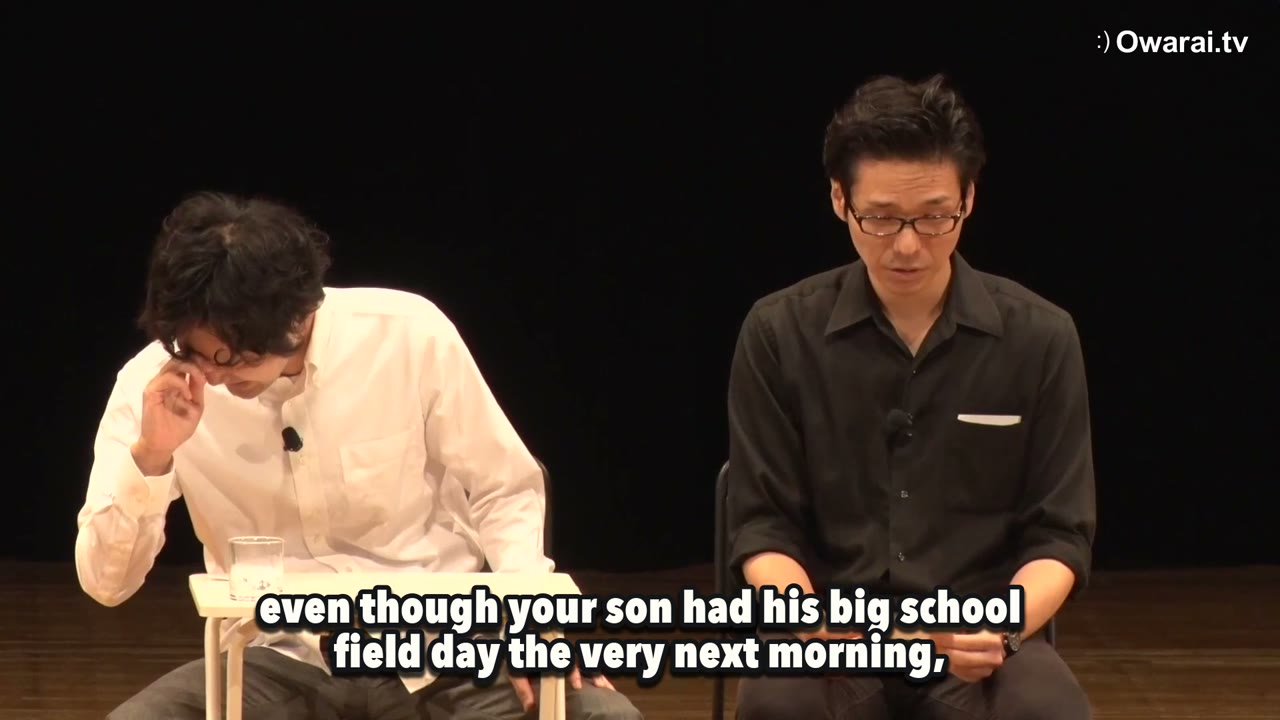 A Photo for Sale at the Bar
An actor's quiet drink gets hijacked by a stranger's pushy pitch for a photo.
3:44
A Photo for Sale at the Bar
An actor's quiet drink gets hijacked by a stranger's pushy pitch for a photo.
3:44
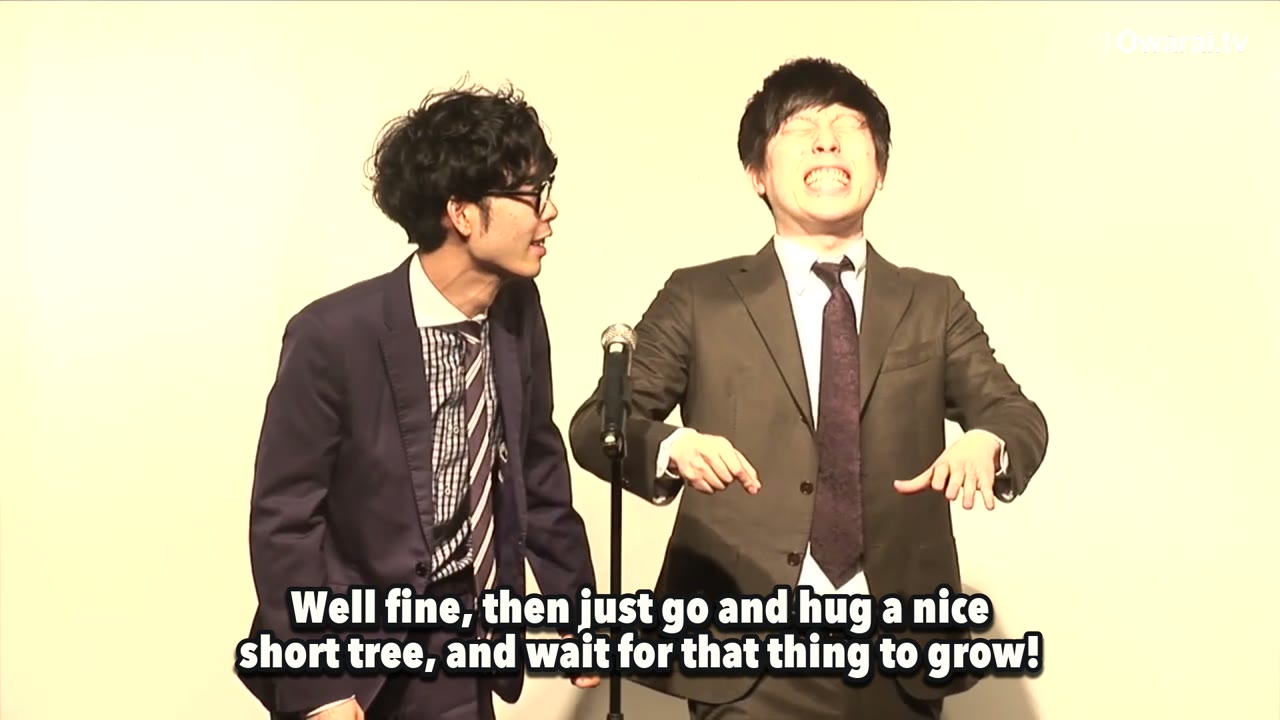 Ask the Teacher
A student brings everyday problems. The teacher keeps offering wildly unhelpful fixes.
3:12
Ask the Teacher
A student brings everyday problems. The teacher keeps offering wildly unhelpful fixes.
3:12
We use AI as part of how we create our articles.
Subtitles on this video: AI translation from the Japanese.