
What Is Manzai? A Guide to Japan’s Comedy Double Acts
In manzai, the back-and-forth between performers makes the joke. Here’s how to follow the exchange, with three routines built around familiar situations.
What manzai is
Think of manzai as stand-up built for two: a Japanese comedy format that makes the exchange between performers the main event. A familiar pairing puts the boke, who introduces an odd idea or questionable bit of logic, alongside the tsukkomi, who challenges it. The comic-and-straight-man double act offers a useful comparison, though the correction can be just as funny as whatever prompted it. The conversation can also open into an acted-out scene, with the partners playing characters while still finding room to question each other’s performance.
Give the reply your attention
Follow what each performer wants from the conversation: agreement, advice, or someone willing to help try out an idea. Much of the fun comes from the distance between what one person considers perfectly reasonable and what the other is prepared to accept. When the pair starts playing characters, listen for whether a line belongs to the imagined situation or to the partners discussing how to play it. Watching that boundary gives you another way to enjoy the exchange, beyond waiting for the next outrageous statement.
Three routines to start with
These three setups give you familiar places to begin: dating frustration, a salon appointment, and ordering food.
Leadoff Man’s “I Want a Girlfriend” opens with a guy complaining that, no matter how hard he tries, he can’t find a girlfriend. He’s talking to a friend he’s known since high school, giving the conversation a shared history from the start. Listen to what he considers his selling points as a potential partner, and give his friend’s responses equal attention. It’s an inviting first watch because a familiar dating complaint gives both performers something specific to work with.
In Camel’s “Hair Removal Salon,” one of the two says his beard has been coming in thicker and wants to practice a salon visit. He asks his partner to play a woman who works there. Watch what each person thinks this favor requires: a quick run-through or a role that deserves serious effort. The appeal starts with that small disagreement over how to rehearse, making this a useful introduction to the relationship between an imagined scene and the two people trying to perform it.
Baioni’s “How Big? How Spicy?” begins with a complaint about restaurant customers who ask whether a large portion is big or a dish is spicy. The hardest customers, one of the two insists, ask questions a server can’t answer without knowing their appetite or tolerance for heat. The duo puts that theory to the test by acting out a scene at a Chinese restaurant. Listen to the server’s insistence on what can reasonably be known about a stranger’s tastes; it gives you a fresh reason to notice questions you might ordinarily ask without thinking.
On your next watch, give the person answering as much attention as the person making the claim.
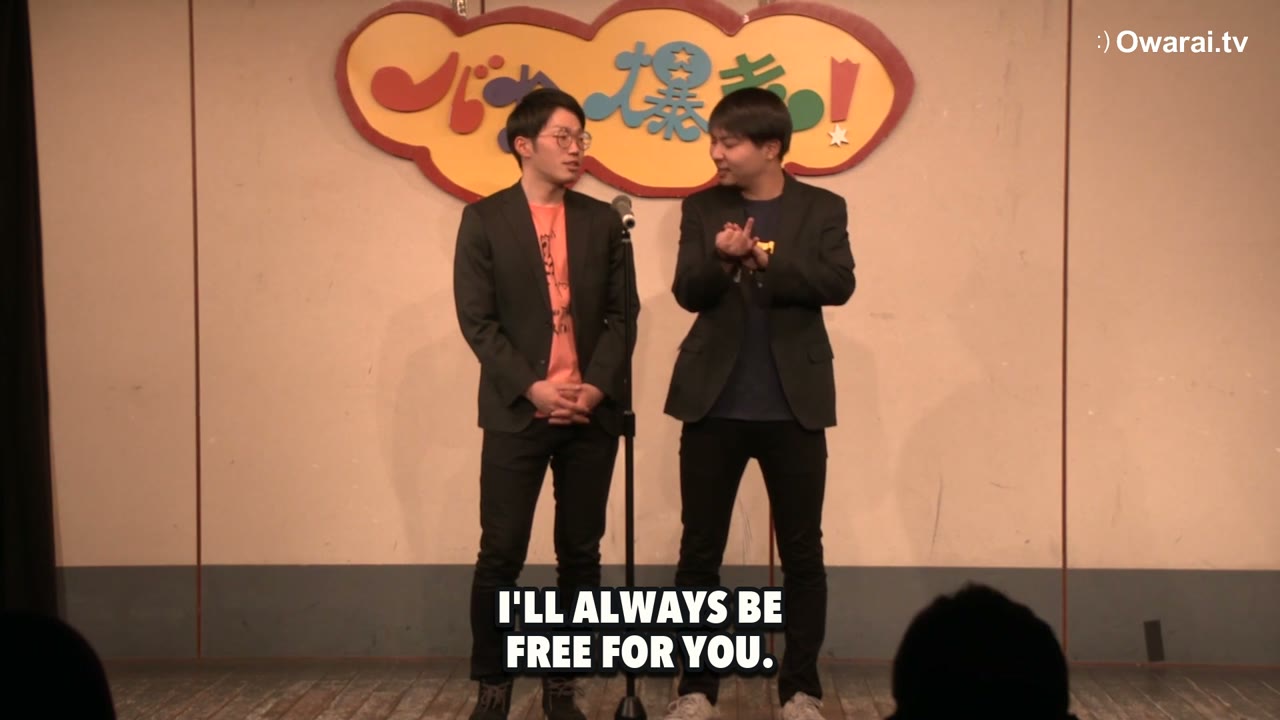 The Boyfriend Sales Pitch
A hopeful dater sweetens the pitch with every no. The friend listening won't budge.
3:36
The Boyfriend Sales Pitch
A hopeful dater sweetens the pitch with every no. The friend listening won't budge.
3:36
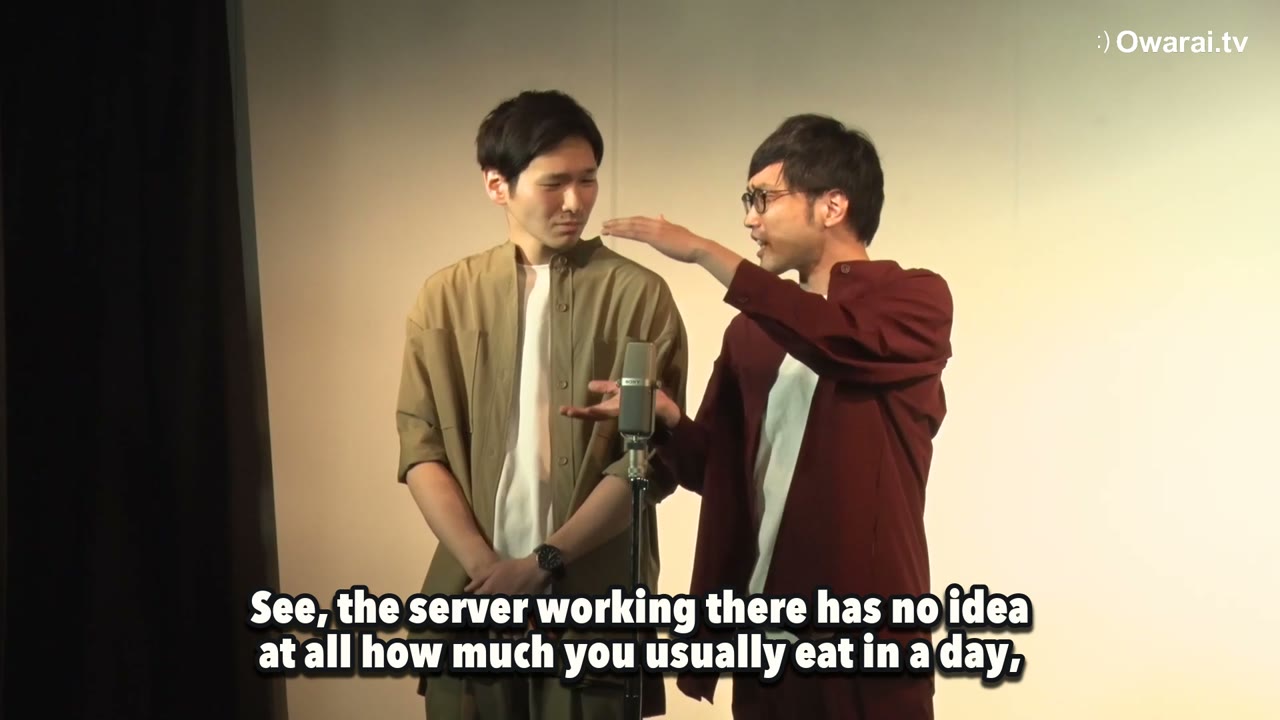 Ordering Shouldn't Be This Hard
A server treats simple questions about portions and spice as invitations to argue.
5:35
Ordering Shouldn't Be This Hard
A server treats simple questions about portions and spice as invitations to argue.
5:35
We use AI as part of how we create our articles.
Subtitles on this video: AI translation from the Japanese.