
What Is Aruaru? Japanese Comedy’s “That’s So True” Moment
A familiar restaurant question or a conversation you can’t get a word into: aruaru finds comedy in everyday habits. Here’s what to watch for in three acts built around that spark of recognition.
The pleasure of recognizing a habit
Aruaru describes comedy built around the feeling of “Oh, people really do that”—a small habit or situation you recognize as soon as someone points it out. Think of it as a close cousin of observational comedy, with its attention to details that can slip by until a performer puts them into words.
A restaurant customer asking an impossible-to-answer question or a friend making every conversation about themselves can supply that first spark. What feels familiar will depend on your own experience, but you don’t need to have lived through the exact scene to recognize the behavior.
Find the detail that rings true
Start with the smallest recognizable detail: a question you’ve asked, a complaint you’ve heard, or someone’s determination to get their point across. Then notice how much importance the performer gives it, especially when an everyday concern starts to sound like a matter of principle.
In these duos, the other person gives you another way to read the scene, whether they’re listening, questioning, or trying to get a word in. We find these exchanges especially fun when both positions are easy to understand: you can sympathize with someone’s problem while enjoying how seriously they take their own solution.
Three acts to watch with that in mind
Leadoff Man, “I Want a Girlfriend.” This is manzai: two-person verbal comedy, something like a stand-up double act, with room to act out situations. A man who’s had no luck finding a girlfriend turns to a male friend he’s known since high school, bringing an eager sales pitch into their conversation. Listen to how much effort he puts into making himself sound like a good prospect. He seems convinced that presenting a strong enough case should count for something—a useful place to start if you recognize the urge to explain why someone ought to like you.
Baioni, “How Much Is ‘a Lot’?” This manzai duo starts with a restaurant complaint: how can a server answer “Is the large portion big?” or “Is this spicy?” without knowing your appetite or tolerance for heat? The pair explores that problem by acting out a scene in a Chinese restaurant. Watch the server’s attachment to the limits of what he can reasonably know about a stranger. That insistence gives a routine ordering question something to rub against. If you’ve ever wanted a helpful recommendation—or struggled to give one—you may recognize both sides of the counter.
Coffee Rumba, “Ladies at the Café.” Two women are having tea at a stylish café in this character sketch, a familiar format from American sketch shows. One keeps steering the conversation back to her own stories, talking at a breathless pace. Pay attention to who gets to choose the subject: sharing a table doesn’t necessarily mean sharing the conversation. The interesting detail is how readily someone can treat another person’s topic as an opening for their own. Start here if you’ve ever been halfway through a story when your listener decided it was their turn.
On your next watch, look for the small detail that makes you laugh in recognition, and follow it.
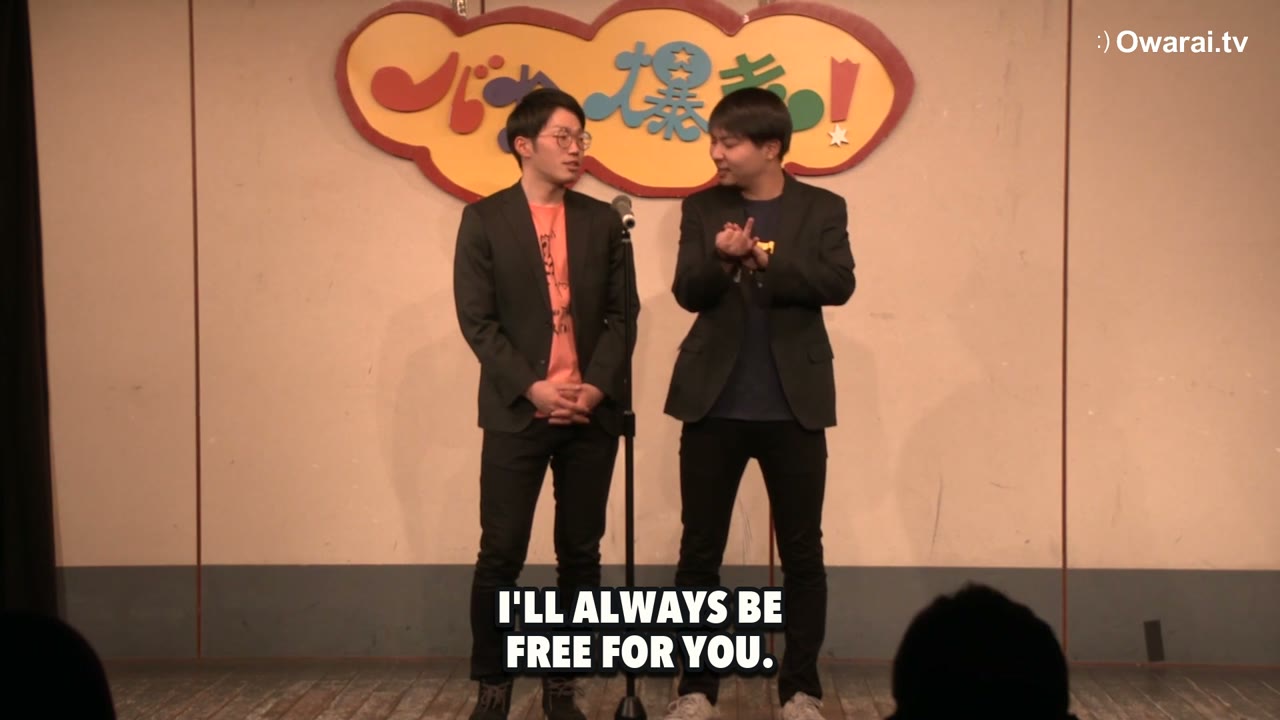 The Boyfriend Sales Pitch
A hopeful dater sweetens the pitch with every no. The friend listening won't budge.
3:36
The Boyfriend Sales Pitch
A hopeful dater sweetens the pitch with every no. The friend listening won't budge.
3:36
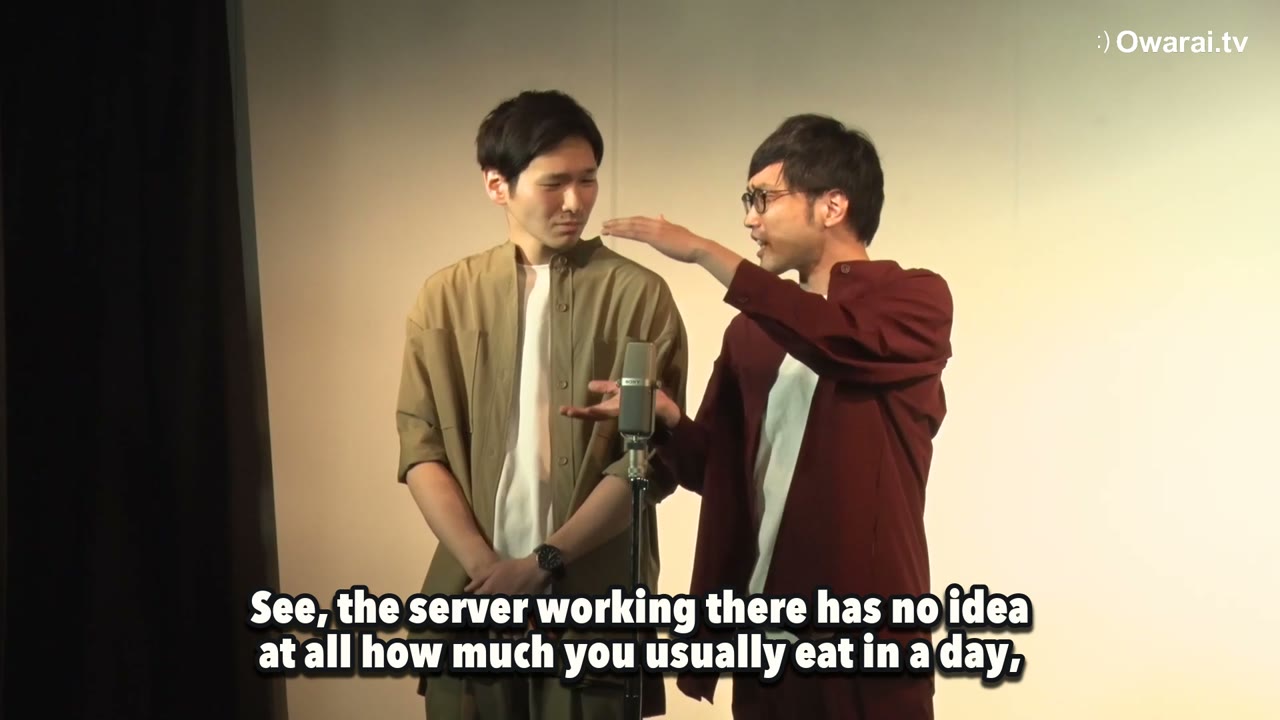 Ordering Shouldn't Be This Hard
A server treats simple questions about portions and spice as invitations to argue.
5:35
Ordering Shouldn't Be This Hard
A server treats simple questions about portions and spice as invitations to argue.
5:35
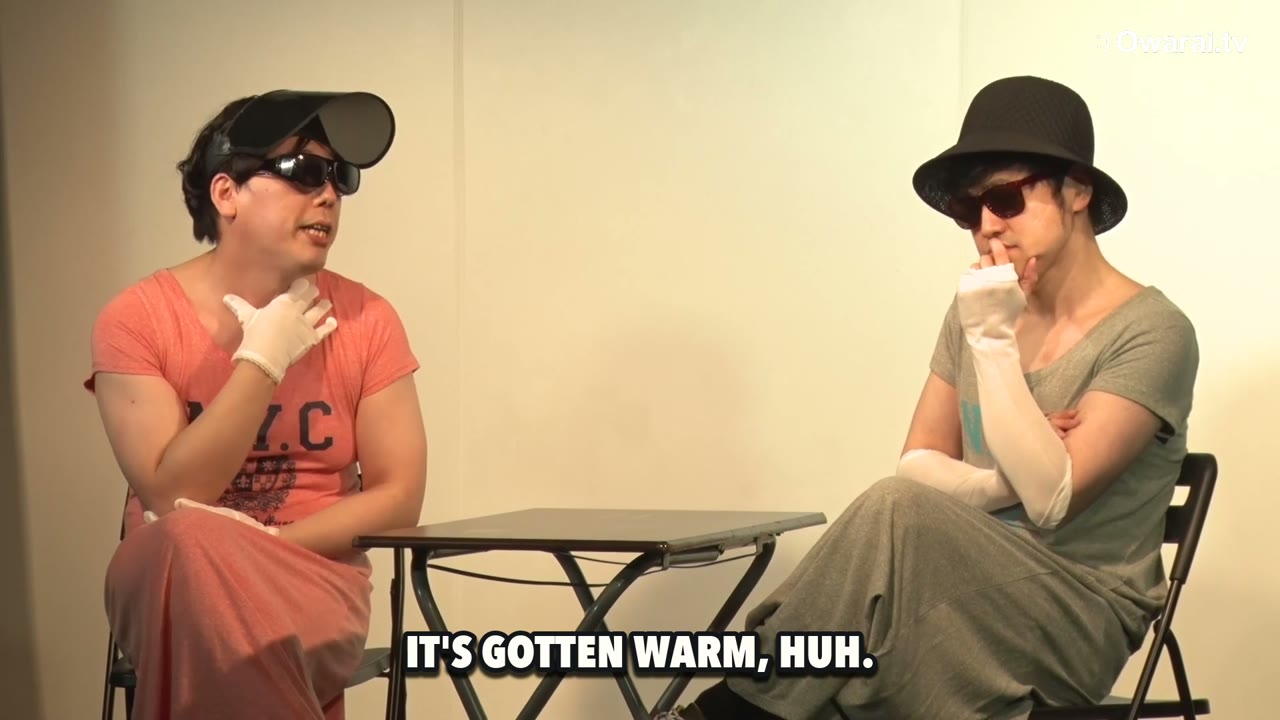 Catching Up Over Tea
Every topic at the café gets hijacked by the same nonstop family updates.
2:15
Catching Up Over Tea
Every topic at the café gets hijacked by the same nonstop family updates.
2:15
We use AI as part of how we create our articles.
Subtitles on this video: AI translation from the Japanese.